


Ready to automate your workflow?
Plastic container and one-step ISBM mold development
The application
A bottle project brings together design, material and manufacturing. The chosen shape must also work with the mold and the intended process.
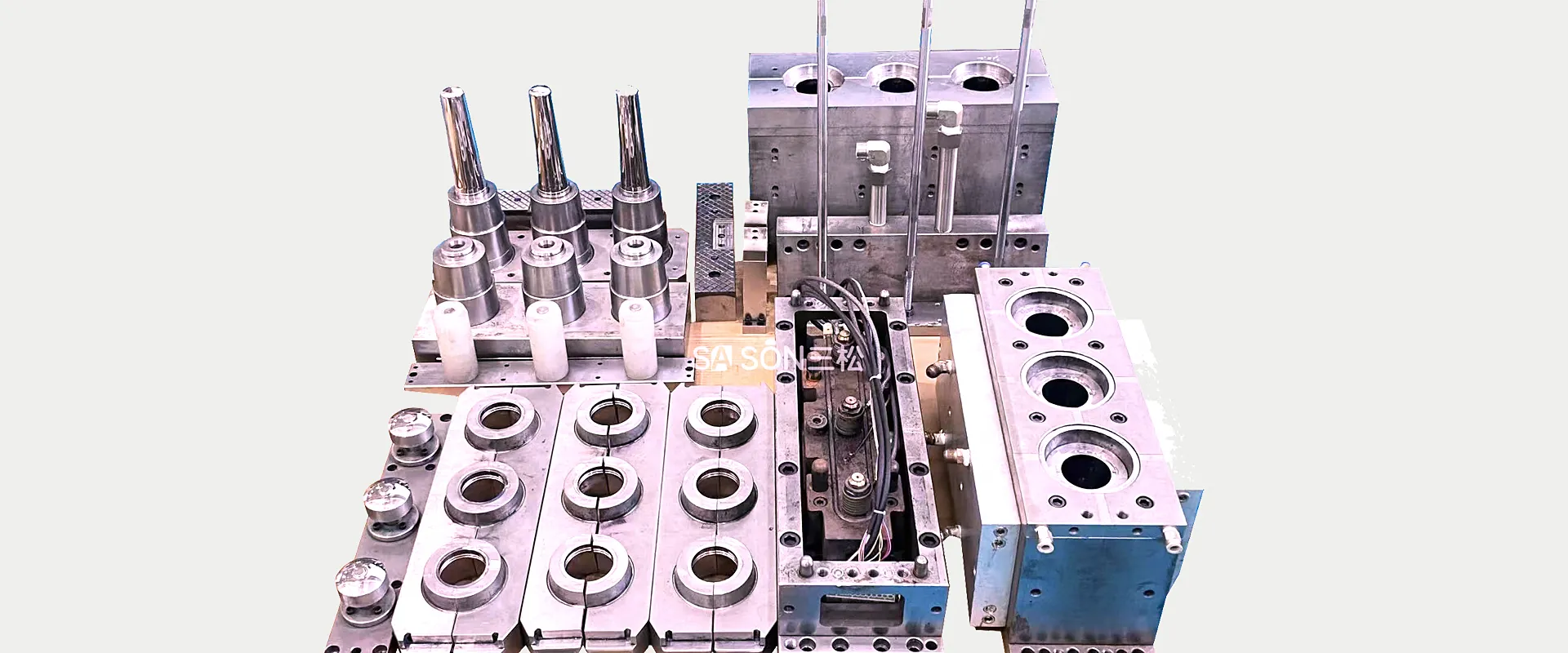
SanSong supplies molds for its one-step injection stretch blow molding (moulding) equipment. Its application catalogue covers several plastic-container categories.
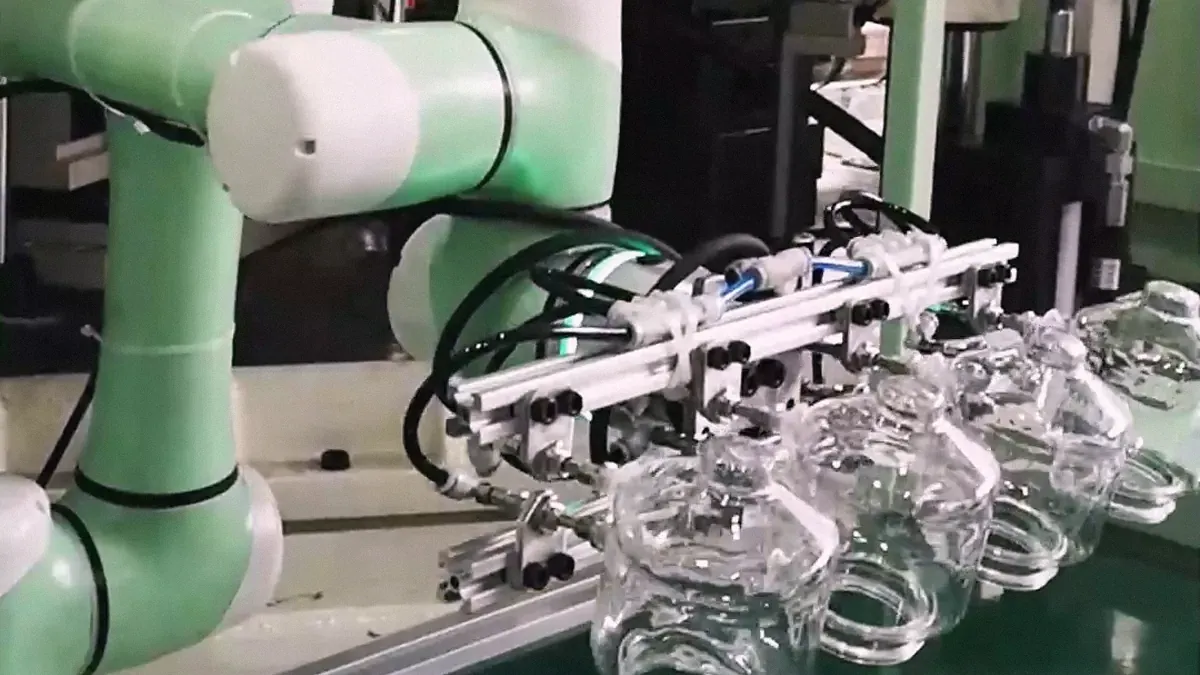
Use a drawing or sample to explain the required form, neck finish, volume, weight and appearance.
Develop the right specification
A useful brief is the first step
Define functional dimensions and cosmetic requirements before discussing the mold layout.
Confirm the intended machine, resin grade and any existing tooling. Compatibility is checked for the actual equipment.
Include the end-use and destination-market requirements in the project brief so the necessary evaluation can be planned.
Build the project scope
Five points for the technical discussion
[01] Bottle design
Drawings or samples with key dimensions.
[02] Material brief
Resin grade, colour and intended application.
[03] Tooling scope
Mold configuration and cavity discussion.
[04] Machine fit
Compatibility with the selected equipment.
[05] Sample criteria
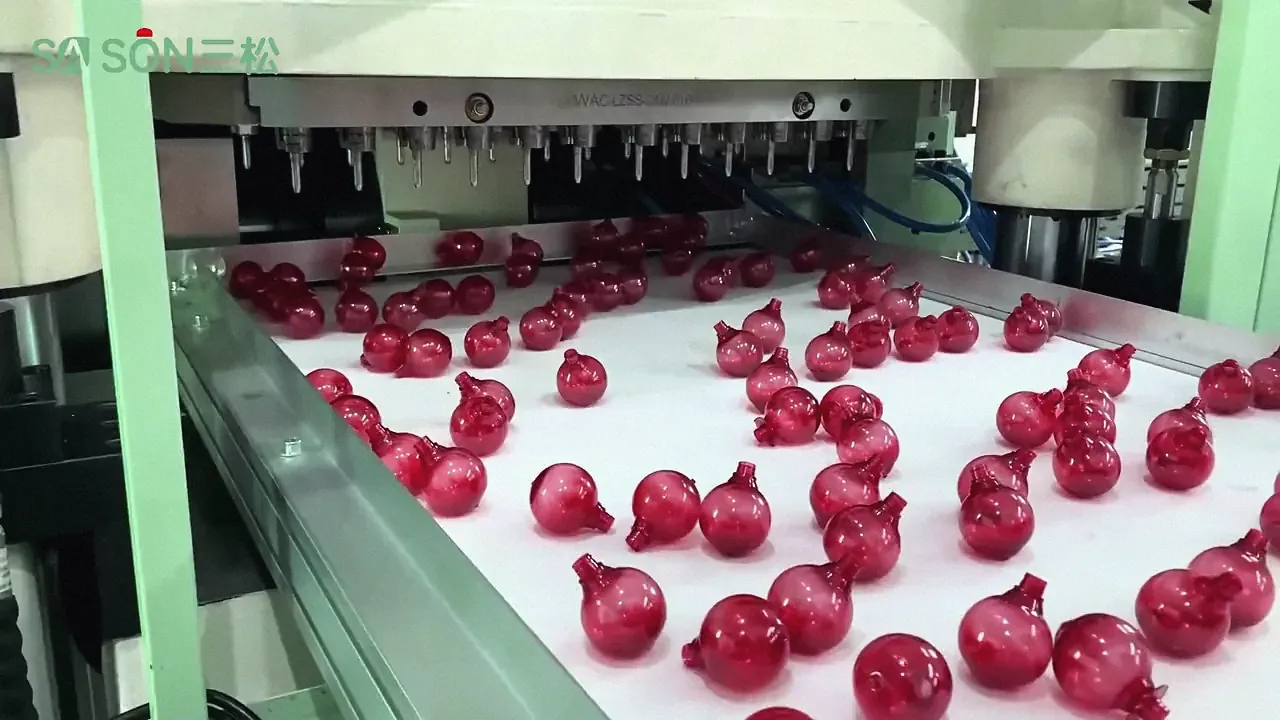
Inspection and acceptance requirements for trial containers.
From proposal to delivery
Agree what the project needs to demonstrate
The final tooling scope and trial arrangements are agreed in the quotation.
Sample evaluation should cover the dimensions and appearance that matter to the customer application.
Material suitability and packaging compliance are separate from a general claim that a machine can process a resin family.
CONTAINER & MOLD DEVELOPMENT
Four-step container and mold engineering workflow.
- 01
Drawing / sample & 3D scanning
Evaluate bottle drawings or scan physical samples to establish neck finish, wall ratio and resin-compatible geometry.
- 02
Cavity, mold-sharing & interface proposal
Confirm single- or double-row cavity layout, two-tier mold-sharing potential across SKUs, and machine interface dimensions.
- 03
In-house CNC machining & CMM check
Precision CNC machining and dimensional inspection on core rods, neck splits, preform cavities and blow molds.
- 04
Handover & agreed trial scope
Deliver tooling with documentation; any pre-shipment sample inspection or trial run is defined in the written quotation.
Related engineering insights
FAQ
Frequently asked questions
Useful details for your machine and mold enquiry.
What should I send for a bottle project?

How do I choose three or four stations?
Can you review an existing mold or machine?
Which materials are listed by SanSong?
Is a quoted cycle time valid for every bottle?
How are trials and delivery arranged?