


Ready to automate your workflow?
SANSONG INSIGHTS
Industry insights
Process explainers, material notes, regulation updates and welding-automation guides for buyers of ISBM machines, molds and robotic welding systems. Every article links to its sources.
FILTER BY ENGINEERING DISCIPLINE
Explore Process, Tooling, Welding & Regulatory Insights
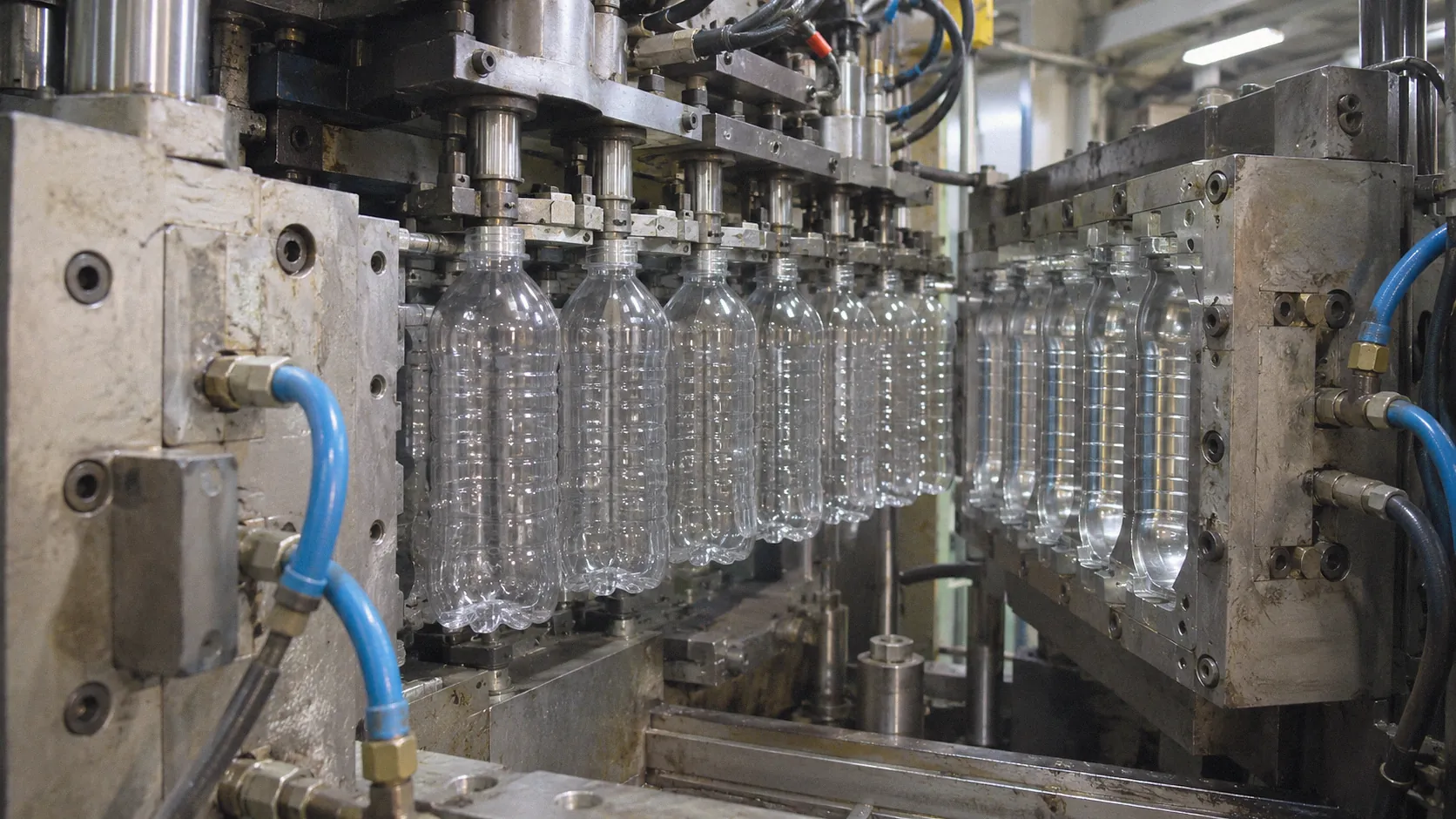
Injection stretch blow molding process, step by step
Injection stretch blow molding process, step by step
How one-step injection stretch blow molding (ISBM) turns resin into a finished bottle on one machine: injection, conditioning, stretch blow and ejection.
Read the article

Injection stretch blow molding process, step by step
SANSONG INSIGHTS
ISBM process
Common ISBM defects in bottles and what causes them
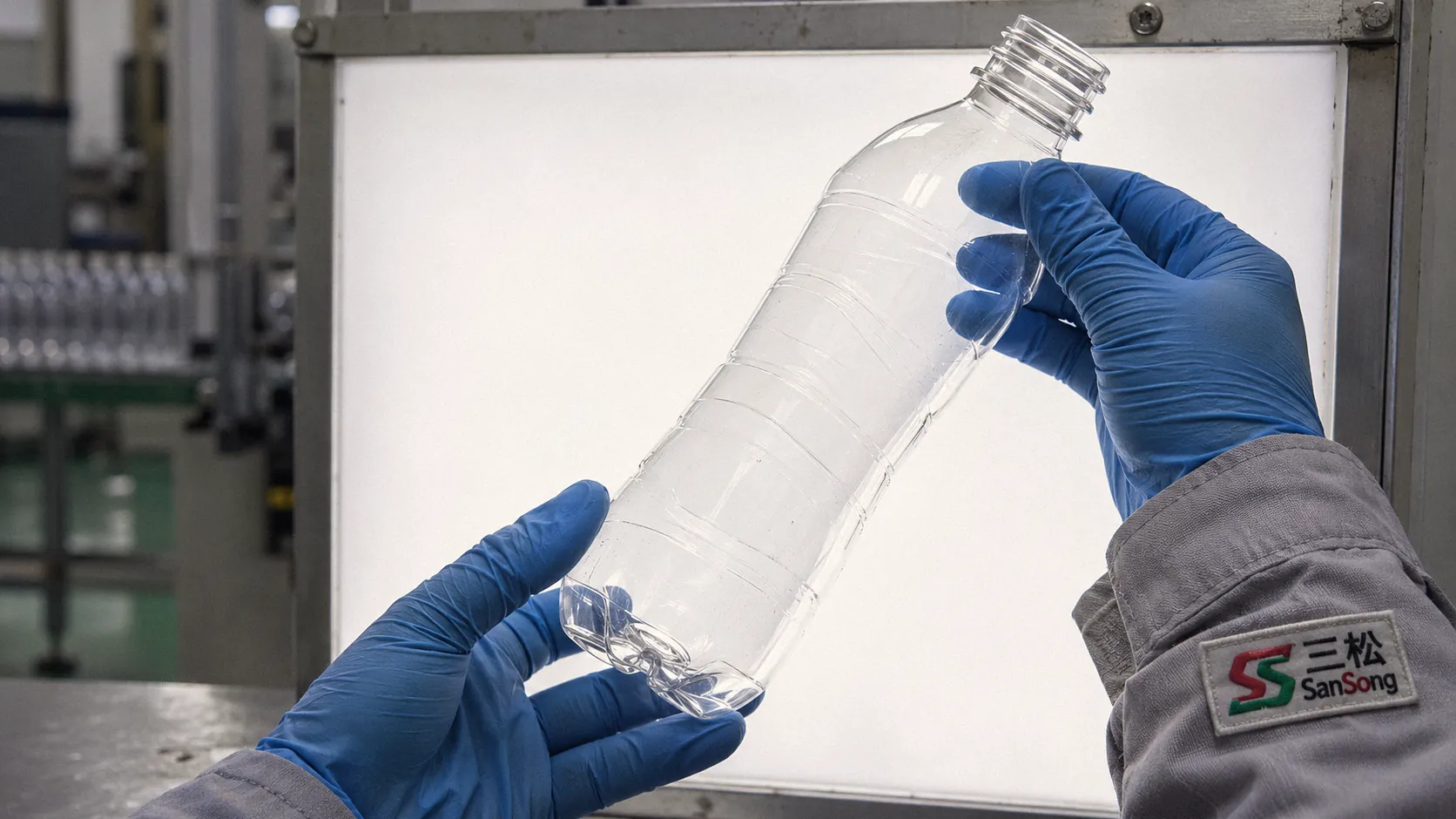
Common ISBM defects in bottles and what causes them
Common ISBM defects in bottles and what causes them
Troubleshoot injection stretch blow molded bottles: pearlescence, haze, uneven walls, rocker bottoms, weak drop impact, splay and streaks.
6 min read
ISBM machine parts and what each one does
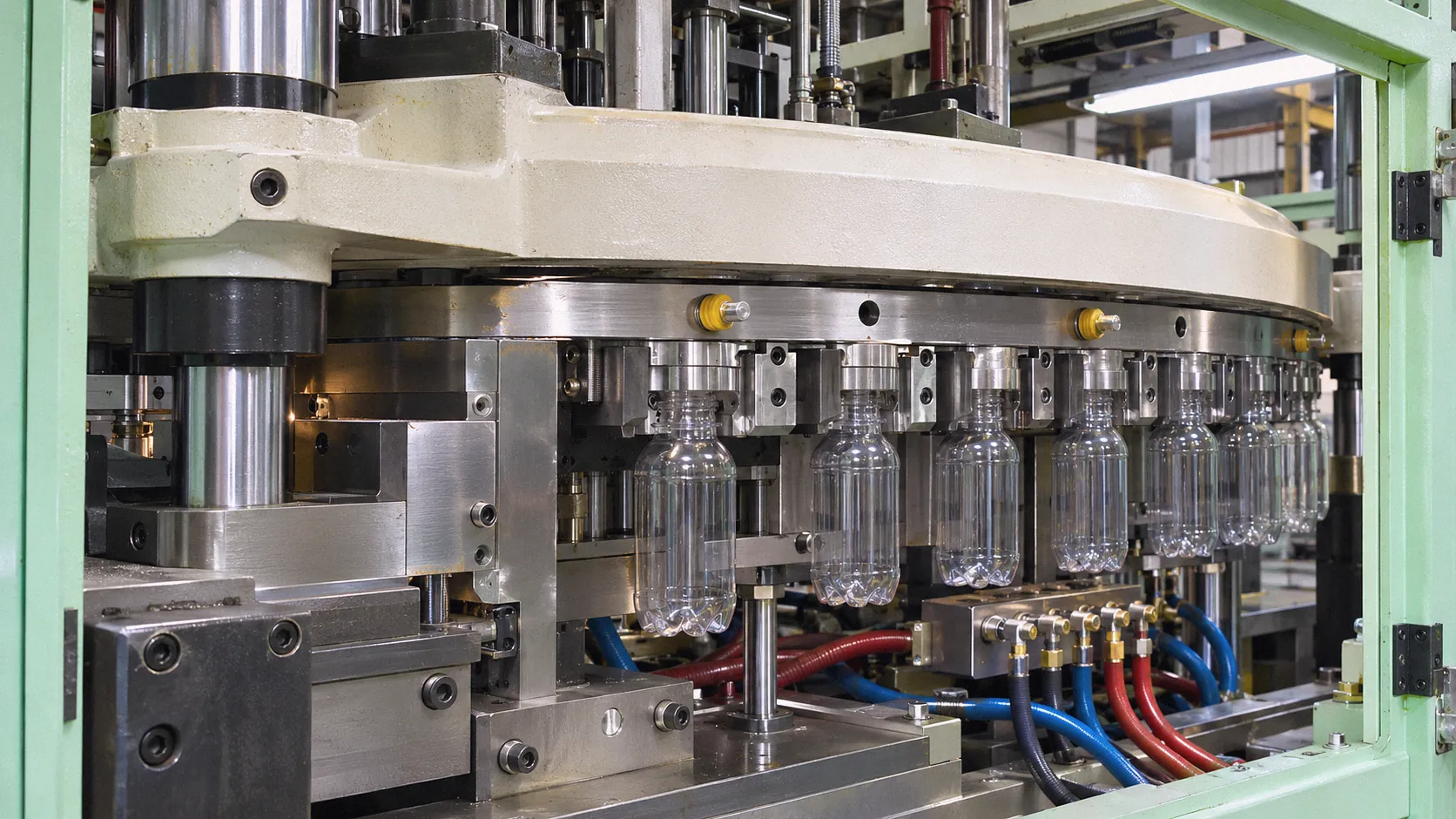
ISBM machine parts and what each one does
ISBM machine parts and what each one does
The main parts of a one-step injection stretch blow molding machine: injection unit, hot runner, rotary table, neck molds, stretch rod, blow unit, controls.
6 min read
ISBM machine price: what determines it?
ISBM machine price: what determines it?
ISBM machine price: what determines it?
What sets the price of an injection stretch blow molding machine: stations, cavities, container size, resin, molds, auxiliaries, automation and service.
6 min read
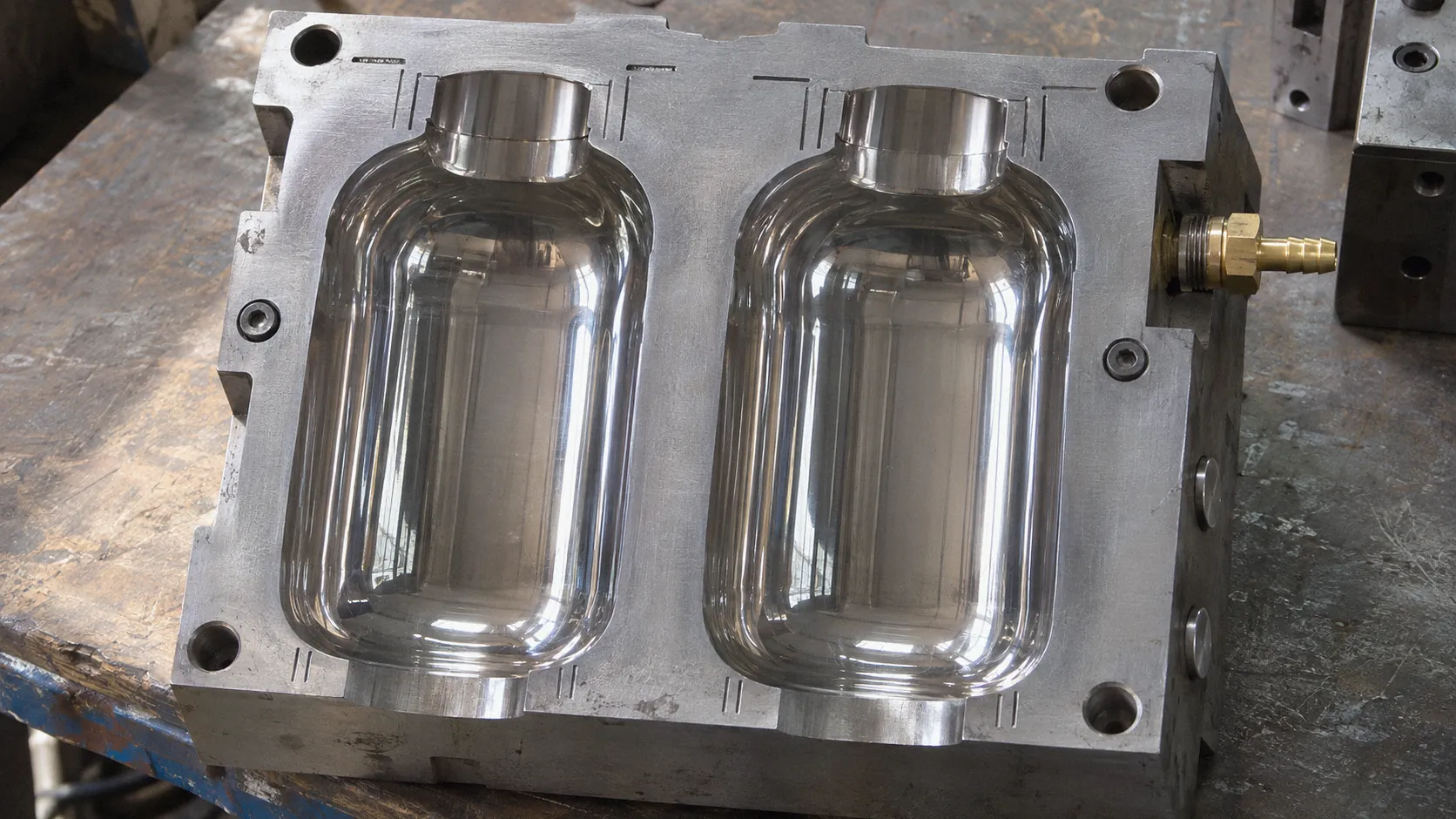
Inside an ISBM mold set: preform mold, core rods, neck molds and blow molds
Inside an ISBM mold set: preform mold, core rods, neck molds and blow molds
Inside an ISBM mold set: preform mold, core rods, neck molds and blow molds
What is in a one-step ISBM mold set, what each part controls, how cavity count is chosen, and which design points to agree before the mold is cut.
6 min read
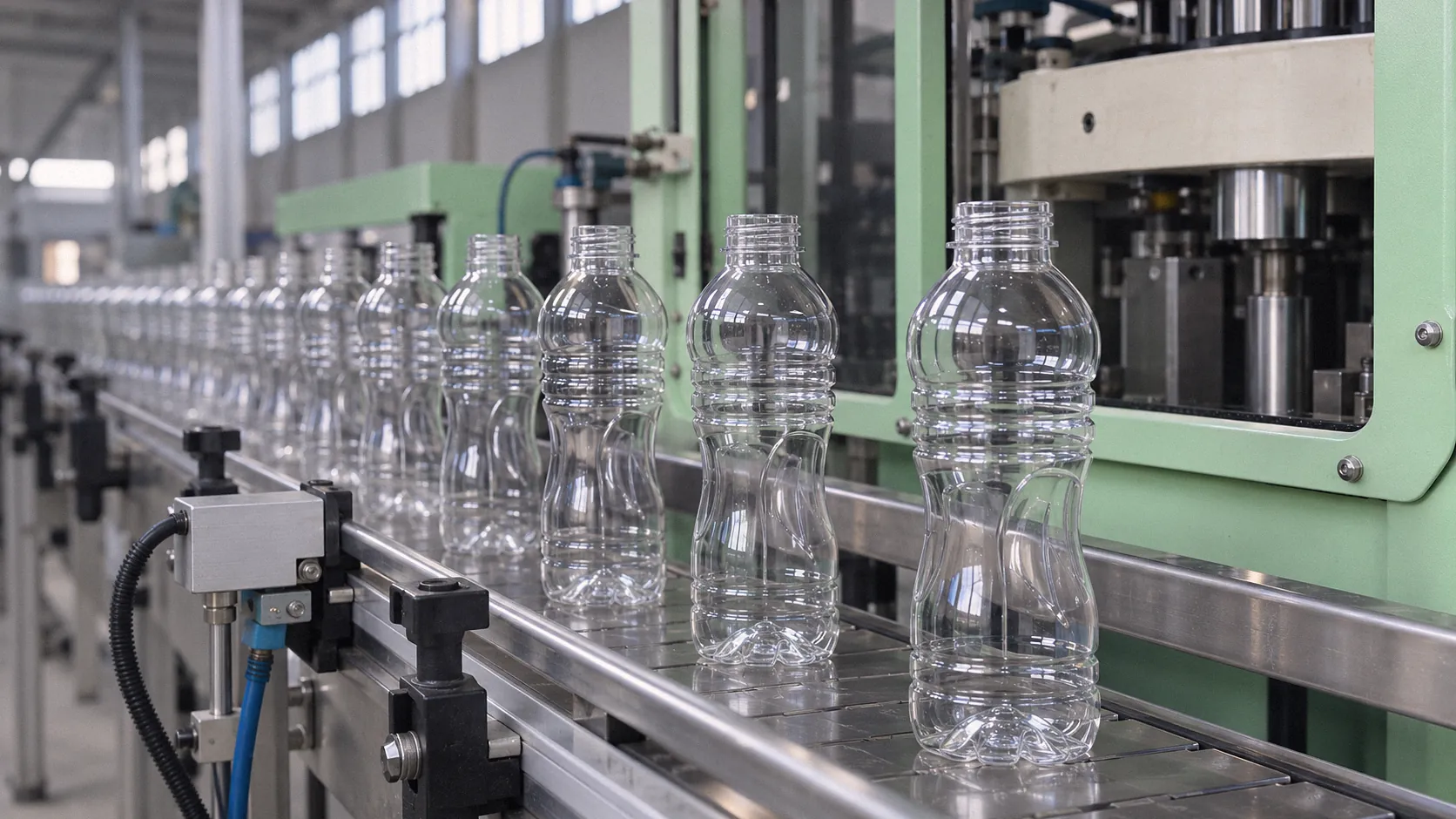
How to estimate the output of a one-step ISBM machine
How to estimate the output of a one-step ISBM machine
How to estimate the output of a one-step ISBM machine
Estimate ISBM machine output from cycle time, cavities and overall equipment effectiveness (OEE), with a worked example and the inputs to confirm in a trial.
5 min read
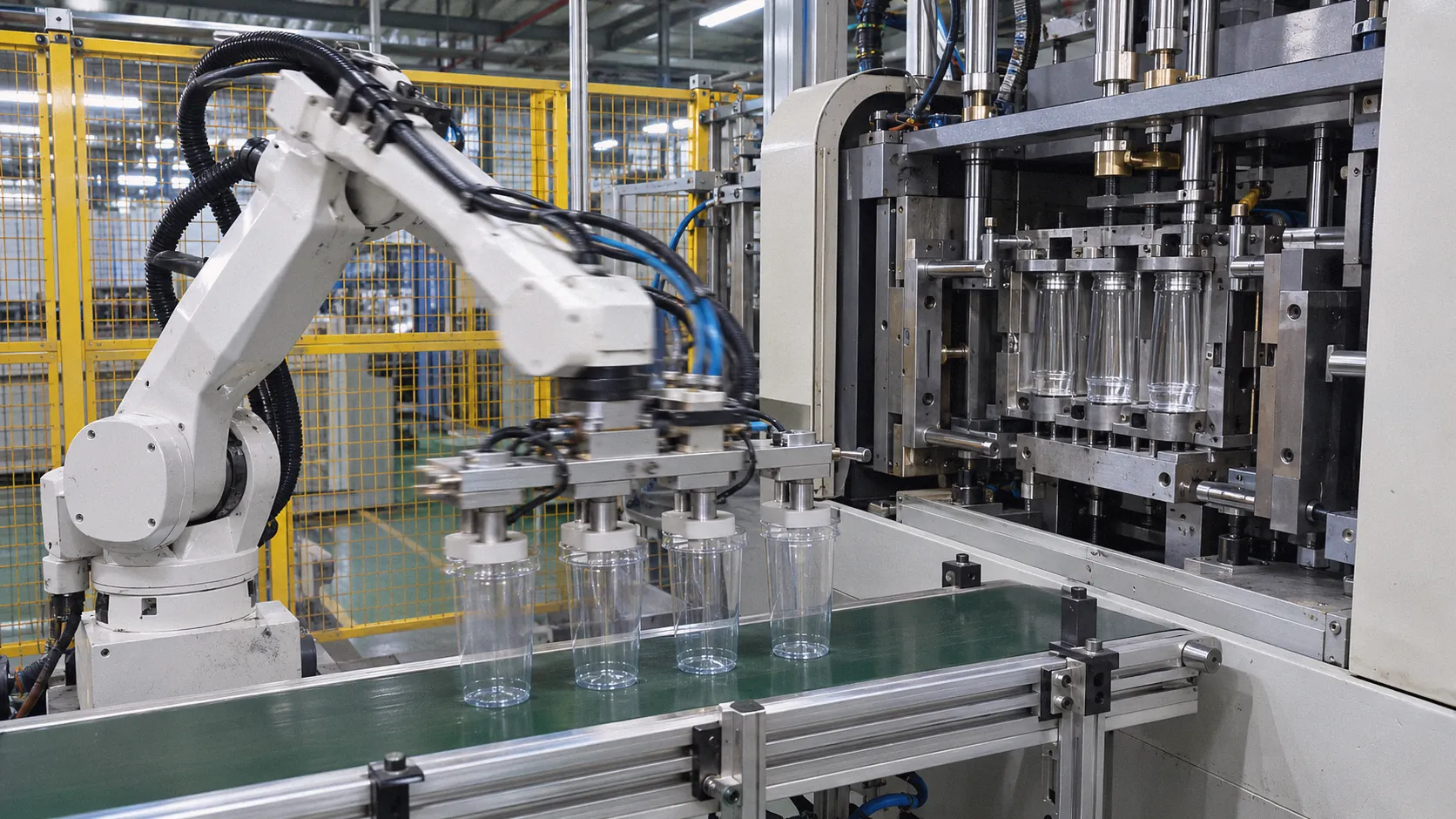
Automating after the ISBM machine: take-out robots, inspection and packing
Automating after the ISBM machine: take-out robots, inspection and packing
Automating after the ISBM machine: take-out robots, inspection and packing
How to automate the end of a one-step ISBM line: take-out robots, grippers, conveyors, inspection, counting and packing, plus safety and interfaces.
5 min read
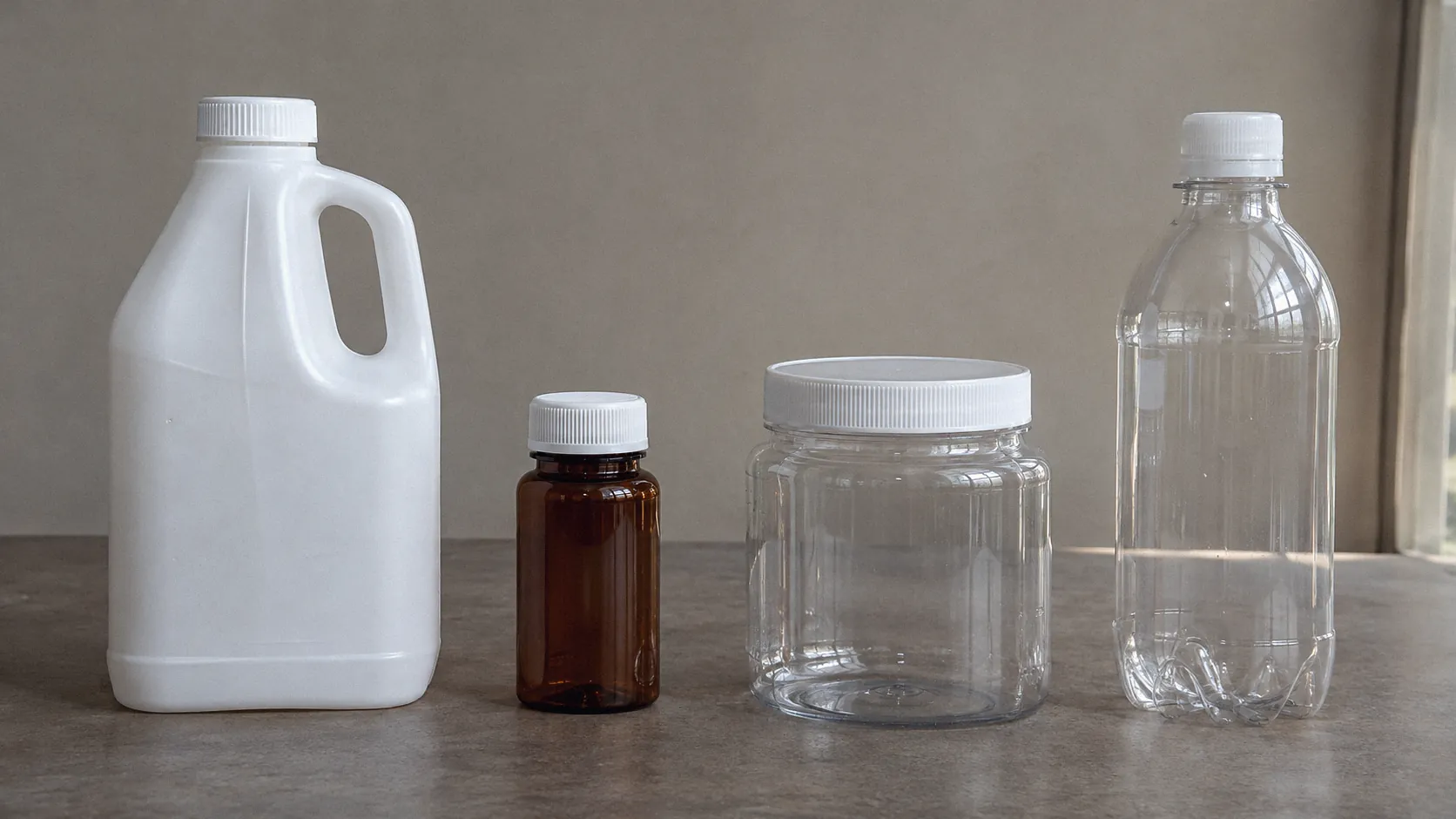
One-step ISBM, injection blow, extrusion blow or two-step SBM: which fits your bottle?
One-step ISBM, injection blow, extrusion blow or two-step SBM: which fits your bottle?
One-step ISBM, injection blow, extrusion blow or two-step SBM: which fits your bottle?
Compare injection stretch blow molding (ISBM), injection blow molding (IBM), extrusion blow molding (EBM) and two-step SBM by bottle, material and volume.
6 min read
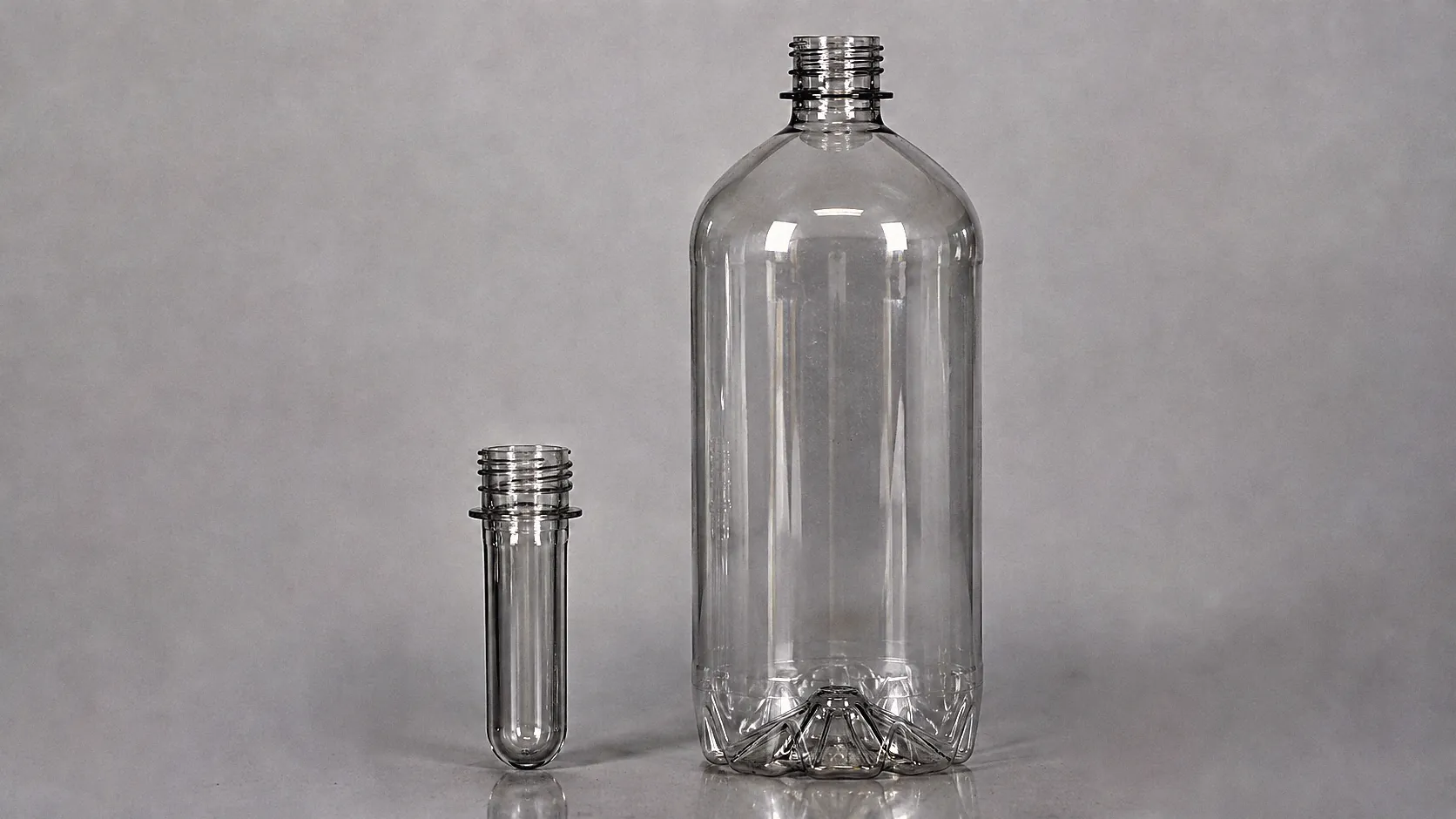
Preform design for one-step ISBM: stretch ratios, wall thickness and gates
Preform design for one-step ISBM: stretch ratios, wall thickness and gates
Preform design for one-step ISBM: stretch ratios, wall thickness and gates
How to design a one-step ISBM preform: axial and hoop stretch ratios, wall thickness, neck, base and gate, and how they affect quality and cycle time.
5 min read
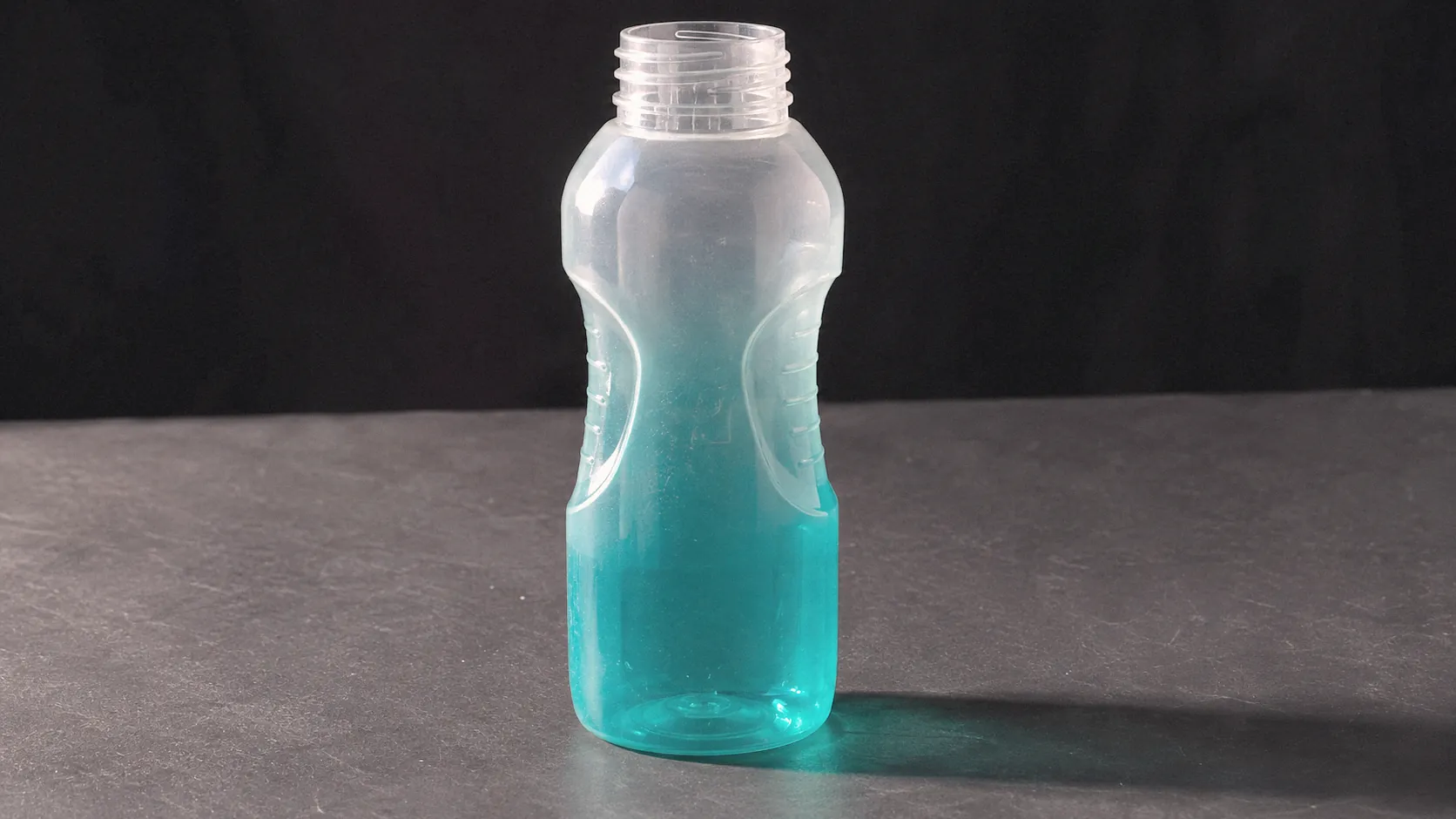
Two-color ISBM machine: how gradient bottles are made
Two-color ISBM machine: how gradient bottles are made
Two-color ISBM machine: how gradient bottles are made
How a two-color ISBM machine makes gradient bottles and cups in one step, what sets the color transition, and what to agree on color approval and materials.
5 min read
SANSONG INSIGHTS
Materials & applications
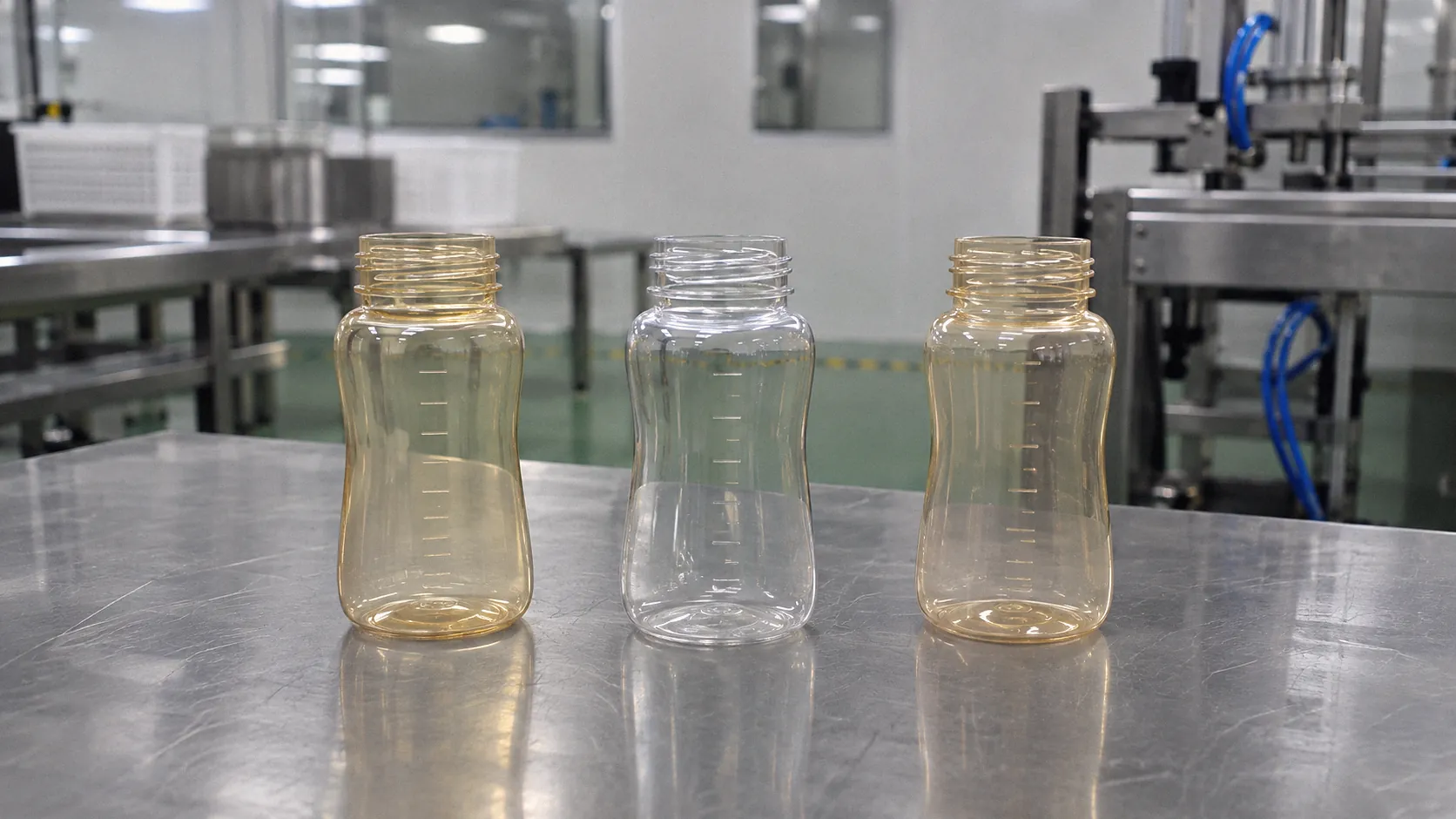
Baby bottle making machine: what to check before choosing ISBM
Baby bottle making machine: what to check before choosing ISBM
Baby bottle making machine: what to check before choosing ISBM
What to check before choosing an ISBM machine for PPSU or PP baby bottles: materials, BPA rules, sterilization, neck, graduations, molds and testing.
5 min read

Cosmetic bottles, jars and mascara tubes: what one-step ISBM can do
Cosmetic bottles, jars and mascara tubes: what one-step ISBM can do
Cosmetic bottles, jars and mascara tubes: what one-step ISBM can do
How one-step ISBM makes cosmetic bottles, thick-wall jars and mascara tubes: resins, oval shapes, thick bases, necks, finishes and mold decisions.
5 min read
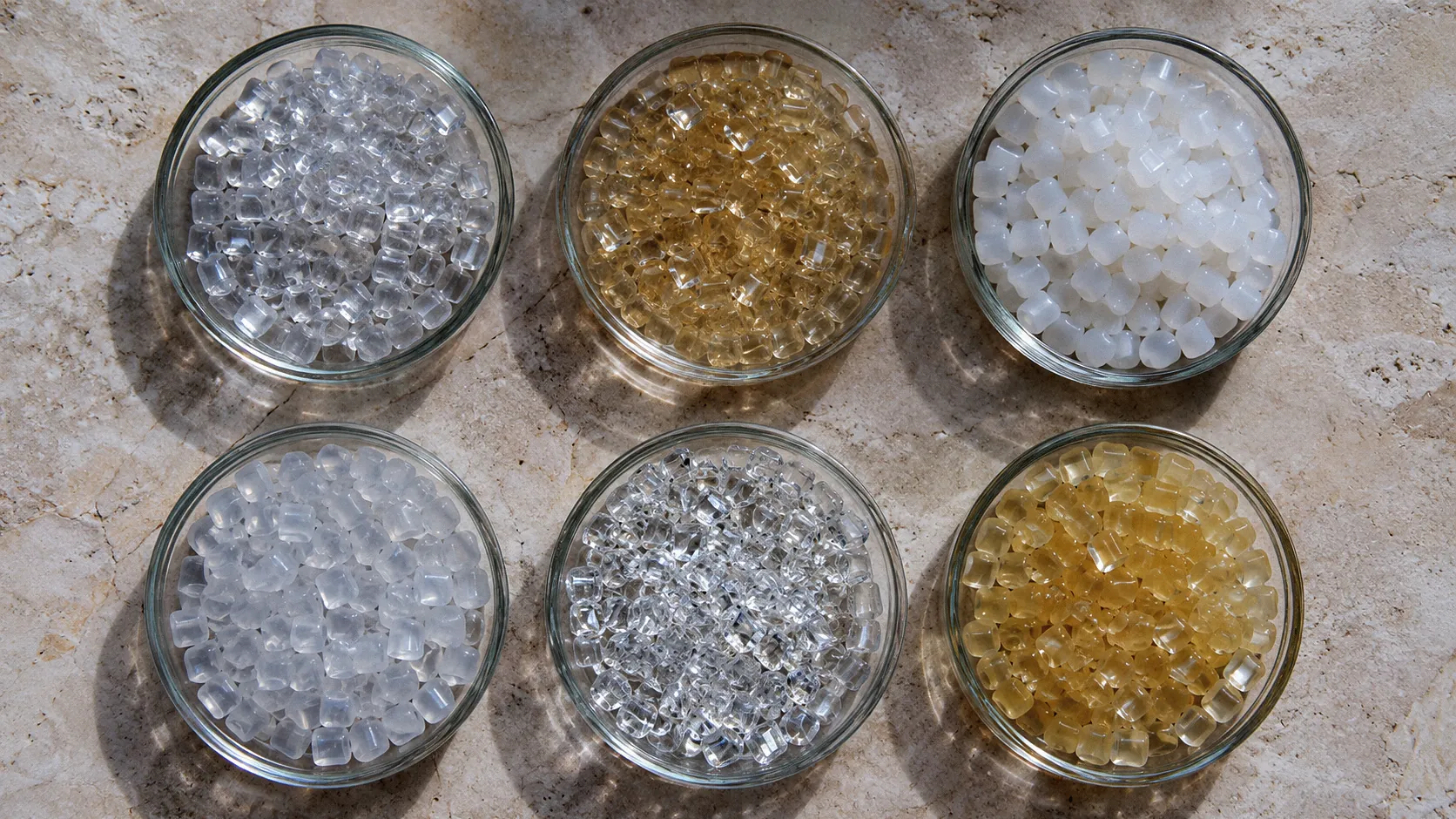
ISBM materials compared: choosing between PET, PETG, Tritan, PP, PC and PPSU
ISBM materials compared: choosing between PET, PETG, Tritan, PP, PC and PPSU
ISBM materials compared: choosing between PET, PETG, Tritan, PP, PC and PPSU
Compare ISBM resins by end use, heat, clarity, drying and regulation: PET, PETG, Tritan and ECOZEN copolyesters, PP, PC, PPSU, AS and PS.
6 min read
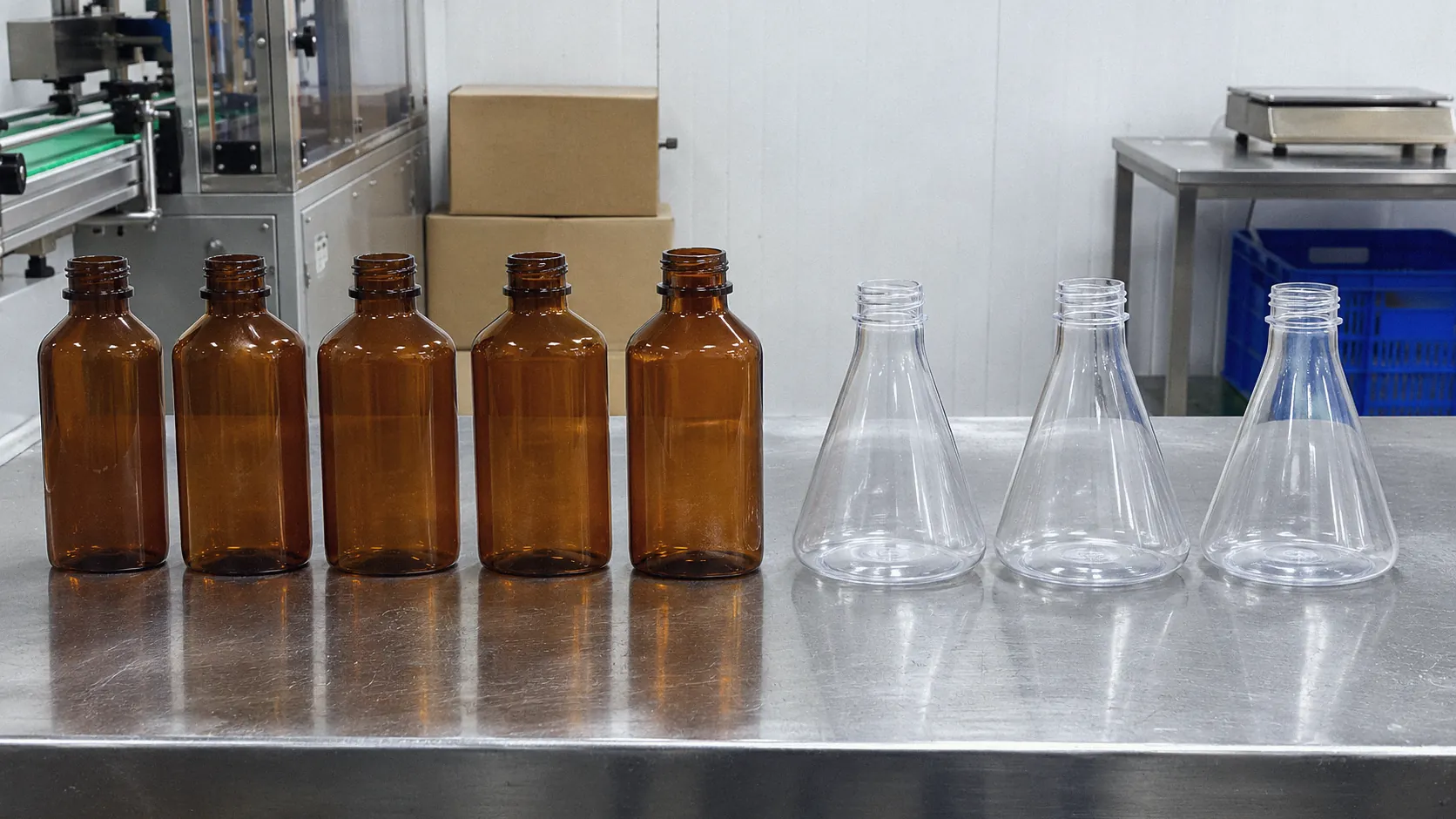
ISBM for pharmaceutical and medical containers: what to plan before you order
ISBM for pharmaceutical and medical containers: what to plan before you order
ISBM for pharmaceutical and medical containers: what to plan before you order
Planning pharmaceutical bottle ISBM projects: syrup bottles, shake flasks and plasma cups, USP 661 roles, process residues, traceability and documents.
6 min read
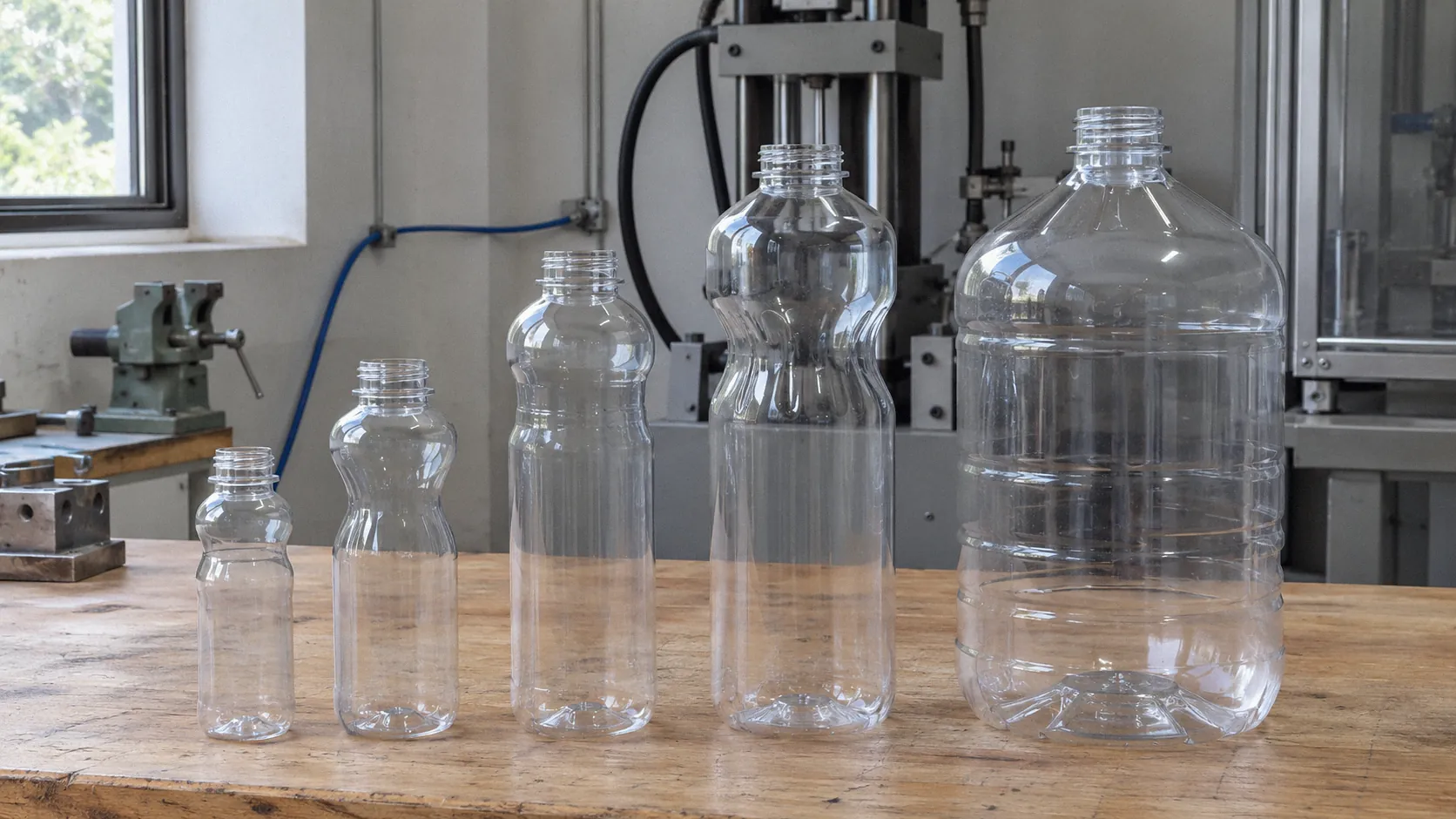
Making sports bottles and wide-mouth jars with ISBM
Making sports bottles and wide-mouth jars with ISBM
Making sports bottles and wide-mouth jars with ISBM
How one-step ISBM makes reusable sports bottles, water jugs, cups and wide-mouth jars: resin choice, neck and wall design, cavities, finishes and tests.
5 min read
SANSONG INSIGHTS
Regulation & standards
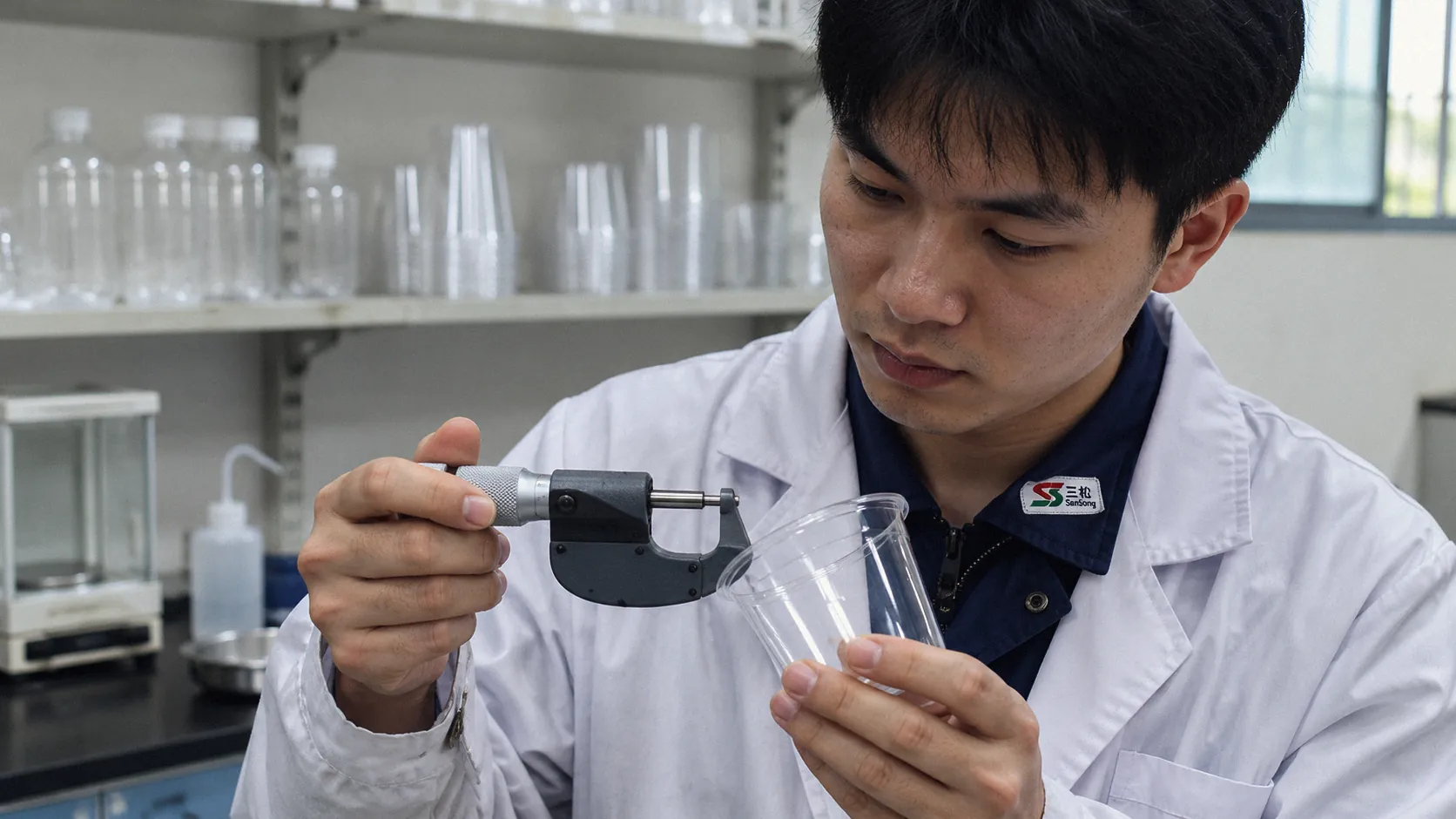
China’s GB 4806 food-contact standards: what plastic bottle and cup makers should know
China’s GB 4806 food-contact standards: what plastic bottle and cup makers should know
China’s GB 4806 food-contact standards: what plastic bottle and cup makers should know
How China’s GB 4806 standards apply to plastic bottles and cups: GB 4806.7-2023, GB 9685 additives, GB 31604 migration testing and practical steps.
4 min read
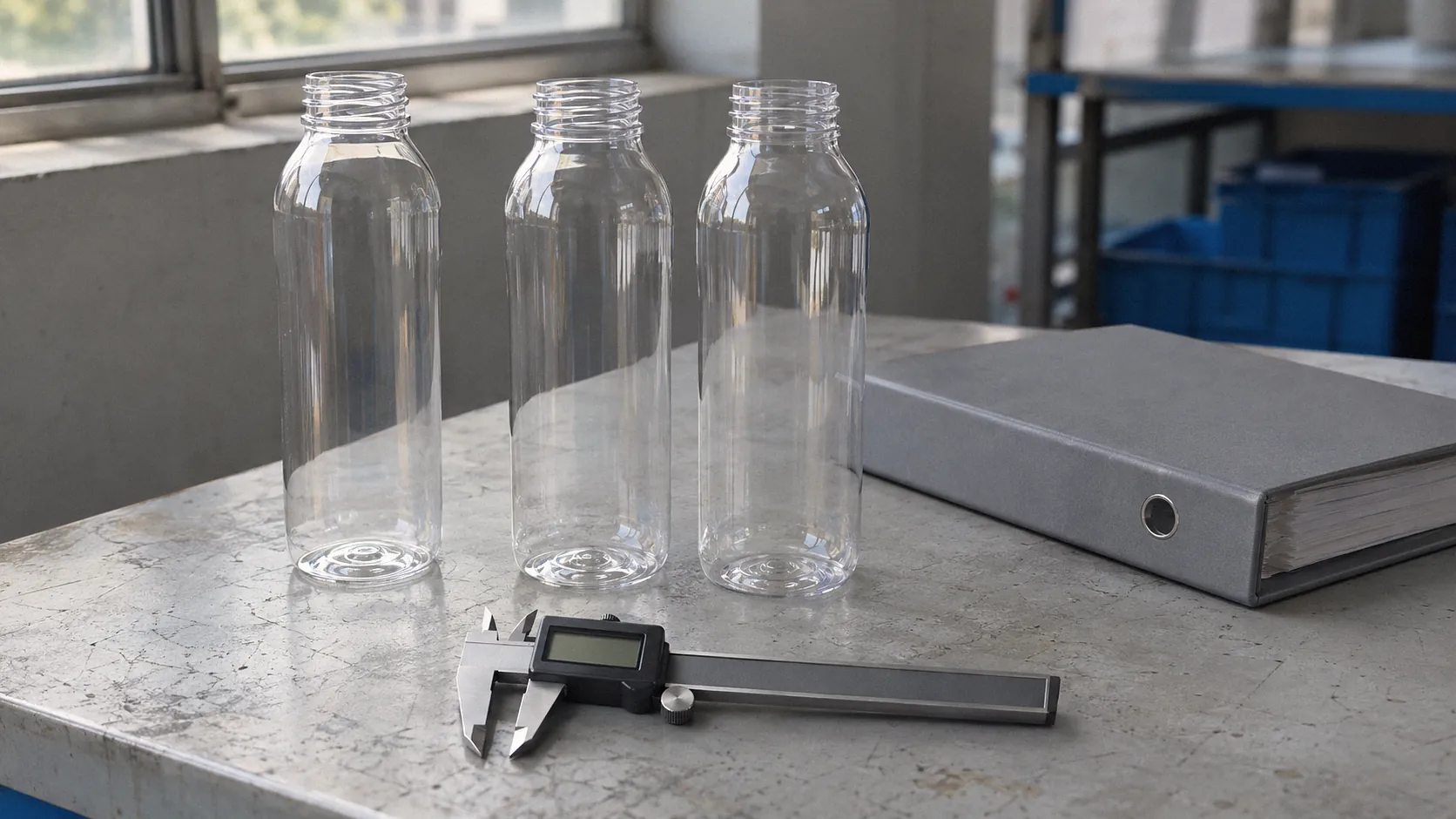
The EU BPA ban (Regulation (EU) 2024/3190): what bottle and drinkware makers need to do
The EU BPA ban (Regulation (EU) 2024/3190): what bottle and drinkware makers need to do
The EU BPA ban (Regulation (EU) 2024/3190): what bottle and drinkware makers need to do
What Regulation (EU) 2024/3190 bans, the key dates, the 2026 correction of transition rules, and what reusable bottle makers should change.
6 min read
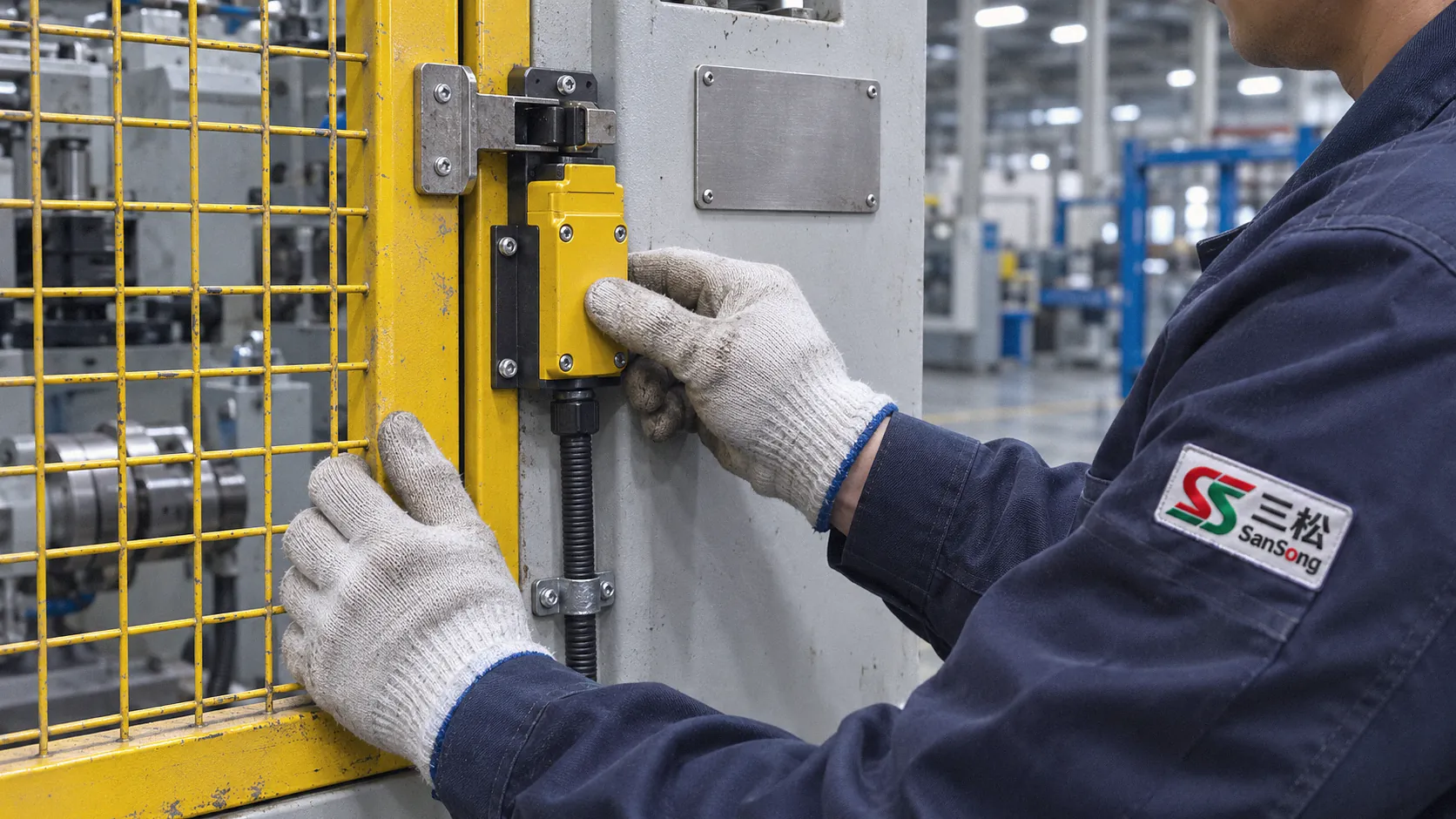
EU Machinery Regulation (EU) 2023/1230: what changes on 20 January 2027 for machine buyers
EU Machinery Regulation (EU) 2023/1230: what changes on 20 January 2027 for machine buyers
EU Machinery Regulation (EU) 2023/1230: what changes on 20 January 2027 for machine buyers
What changes on 20 January 2027: high-risk machinery, substantial modification, software, cybersecurity, digital instructions and what buyers should ask.
5 min read
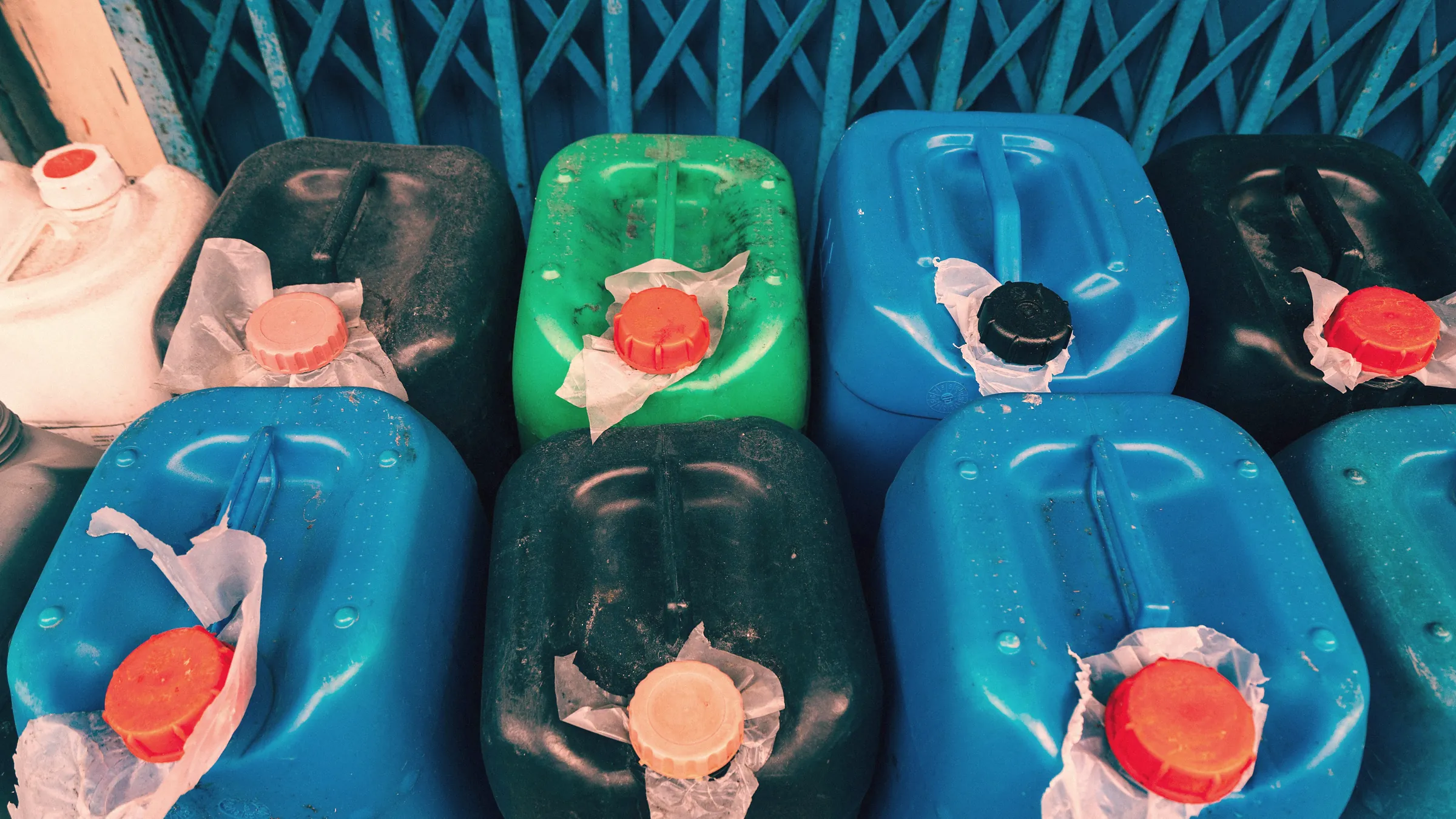
The EU packaging regulation (PPWR): what it means for plastic bottle and jar makers
The EU packaging regulation (PPWR): what it means for plastic bottle and jar makers
The EU packaging regulation (PPWR): what it means for plastic bottle and jar makers
Regulation (EU) 2025/40 (PPWR) applies from 12 August 2026: key dates for recyclability, reuse, recycled content and PFAS for bottle and jar makers.
5 min read
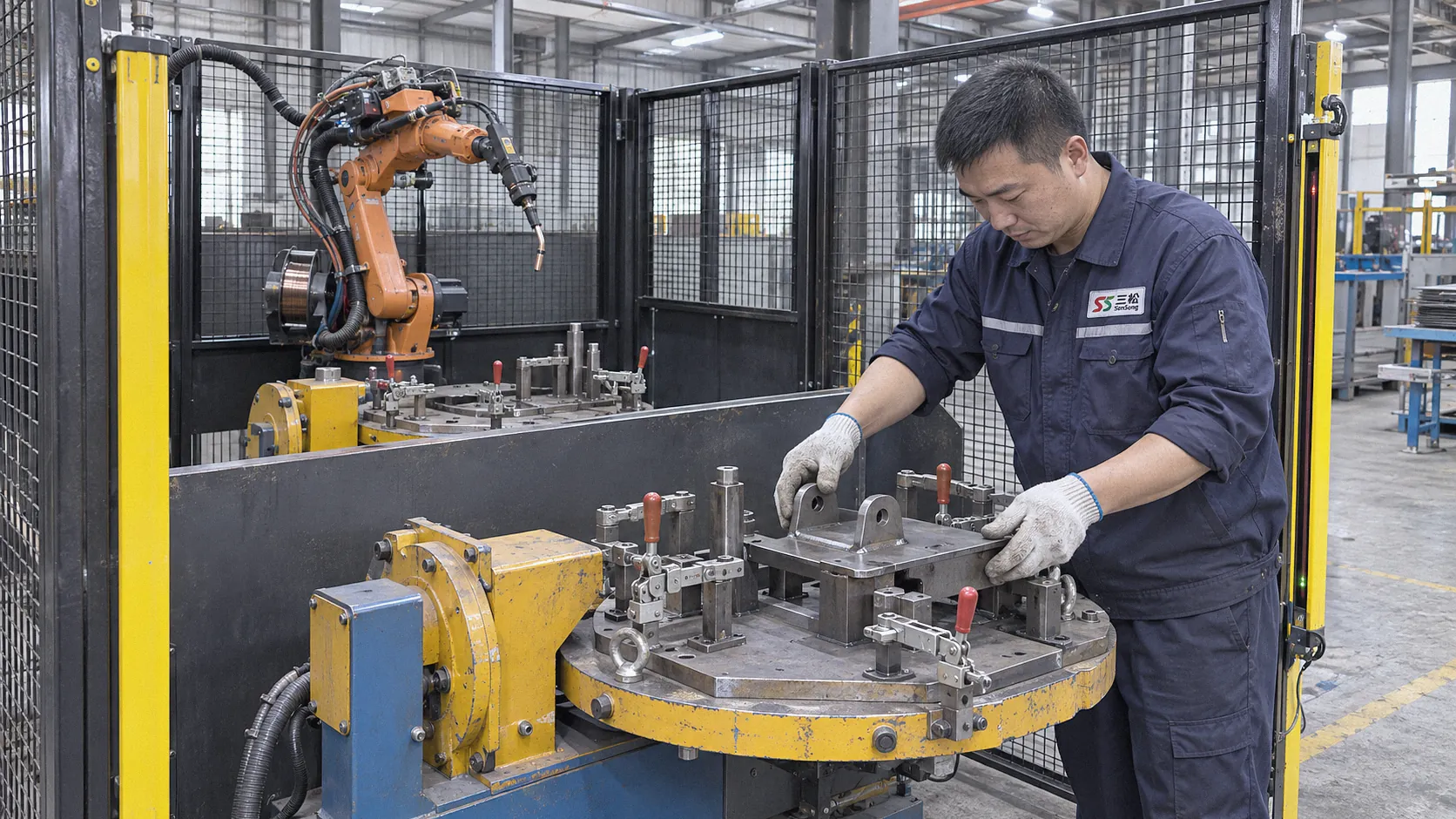
ISO 10218:2025 robot safety: what changed for robot cells and welding stations
ISO 10218:2025 robot safety: what changed for robot cells and welding stations
ISO 10218:2025 robot safety: what changed for robot cells and welding stations
What changed in ISO 10218-1 and -2:2025: safety functions and default levels, robot classes, collaborative operation, normal stop and EU harmonization.
5 min read
SANSONG INSIGHTS
Robotic welding
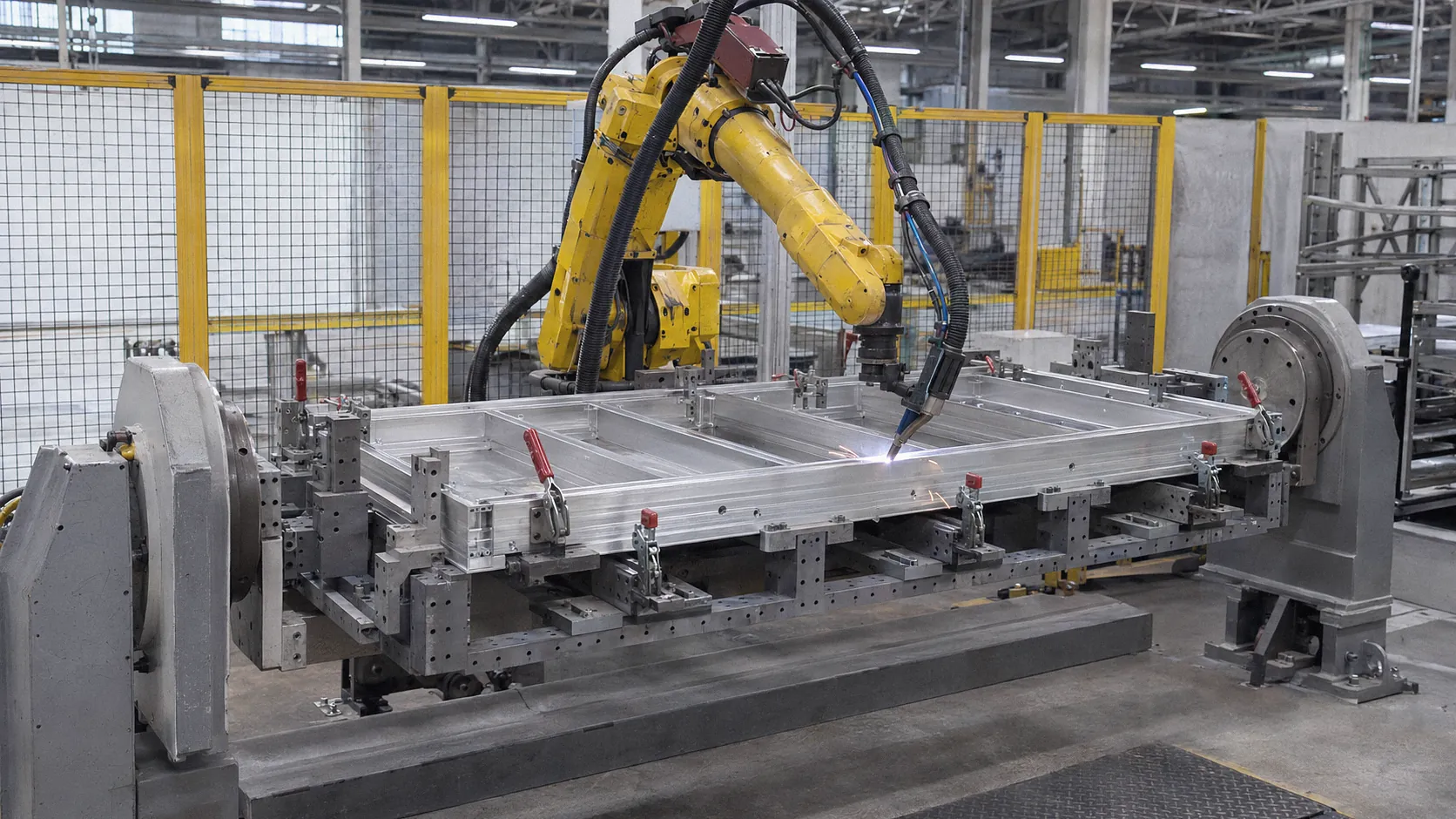
Robotic welding of aluminum battery trays and frames: process, porosity and distortion
Robotic welding of aluminum battery trays and frames: process, porosity and distortion
Robotic welding of aluminum battery trays and frames: process, porosity and distortion
How EV aluminum battery trays are robot welded: MIG, friction stir and laser compared, porosity prevention, distortion control and tightness testing.
5 min read
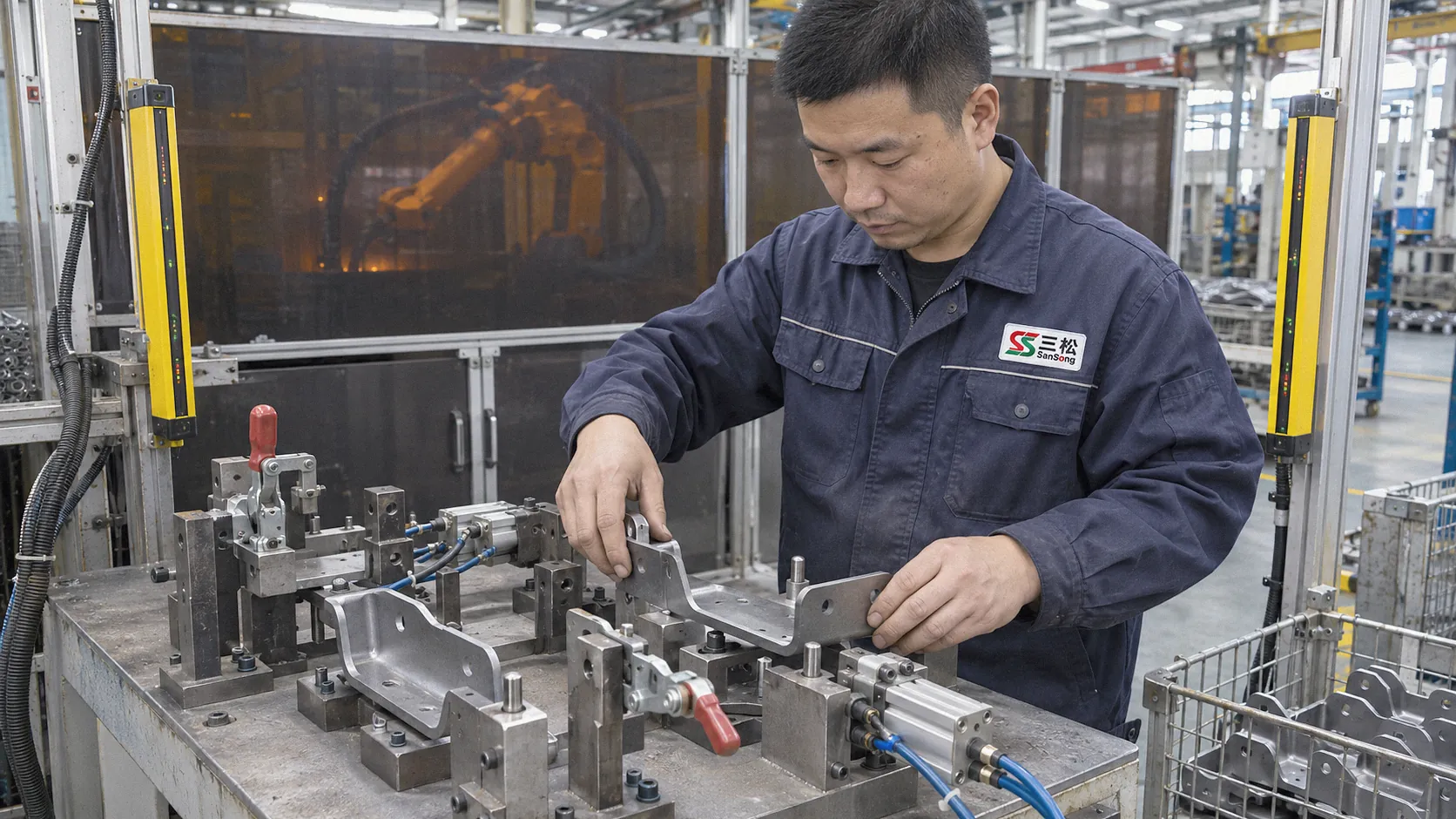
Dual-station welding cells: how loading while welding raises robot utilization
Dual-station welding cells: how loading while welding raises robot utilization
Dual-station welding cells: how loading while welding raises robot utilization
How a dual-station welding cell lets operators load one station while the robot welds the other: layouts, a worked output example, safety and fit.
5 min read
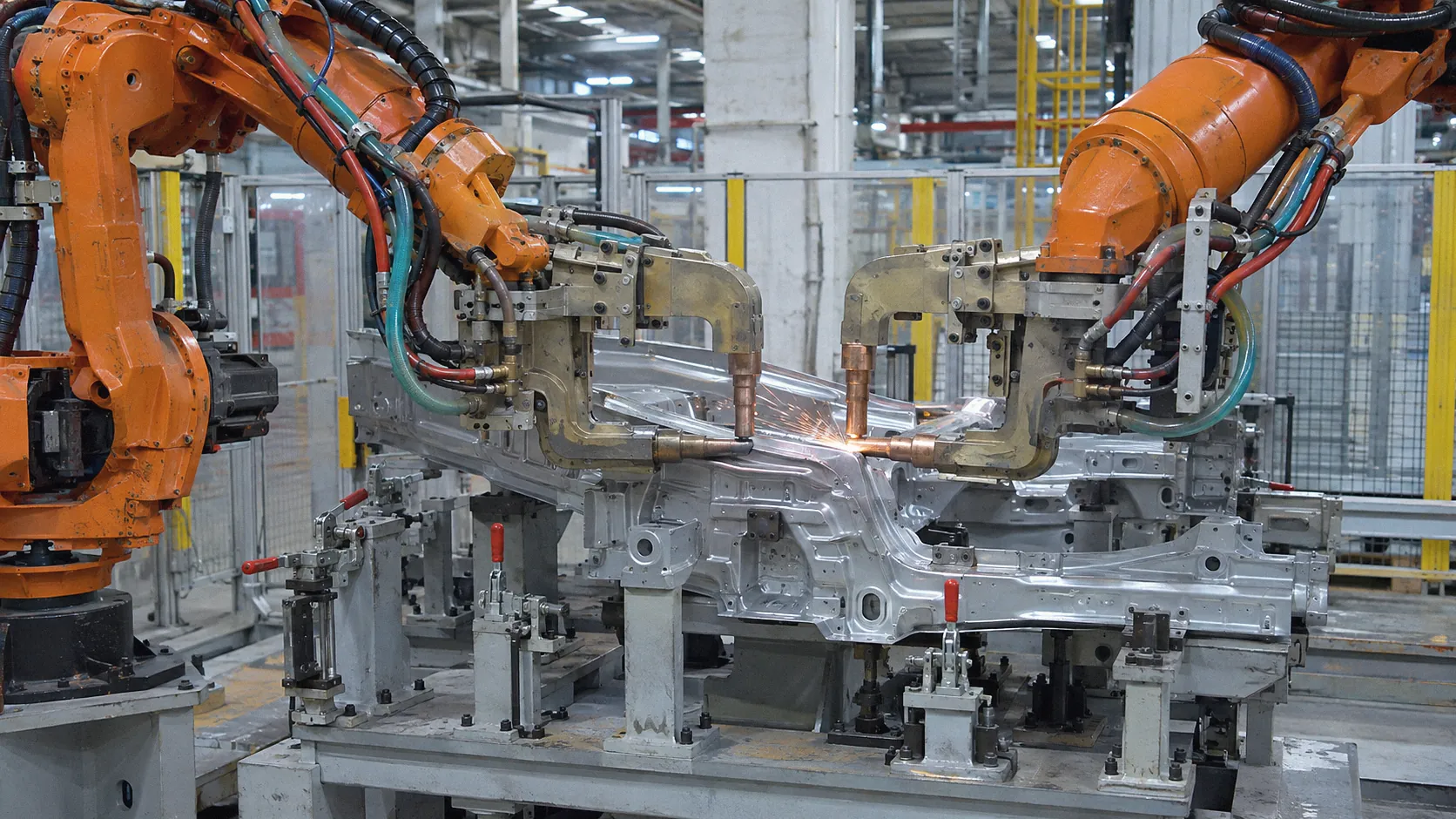
Robotic spot welding lines: when to use spot or arc welding, and how to keep weld quality stable
Robotic spot welding lines: when to use spot or arc welding, and how to keep weld quality stable
Robotic spot welding lines: when to use spot or arc welding, and how to keep weld quality stable
How a robotic spot welding line works, when spot welding suits a part better than arc welding, what a line contains and how to keep weld quality stable.
6 min read
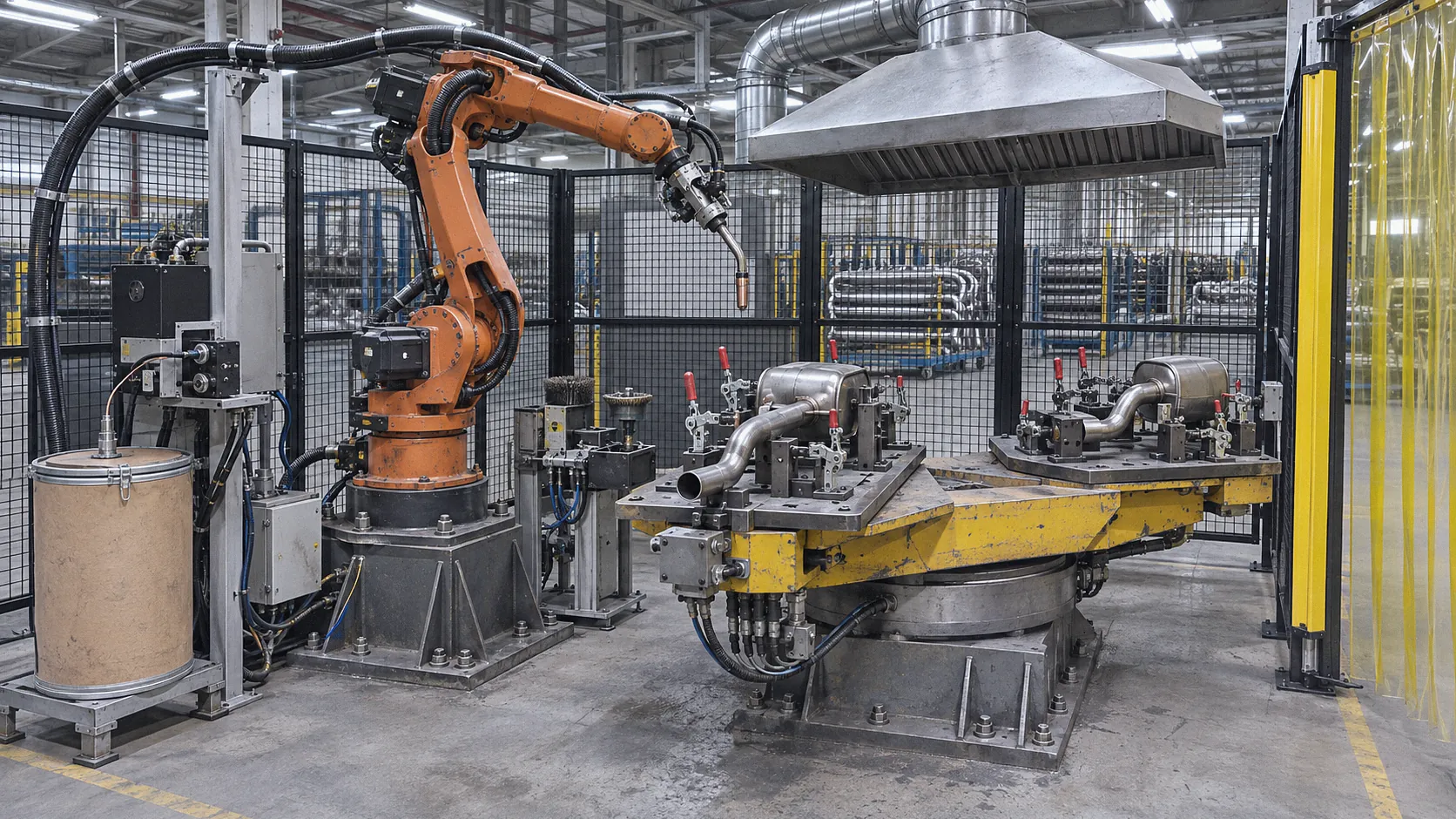
Robotic welding cell components and changeover options
Robotic welding cell components and changeover options
Robotic welding cell components and changeover options
What a robotic welding cell contains, from robot, welding package and positioners to fixtures, sensing, guarding and fume extraction, plus changeover options.
6 min read
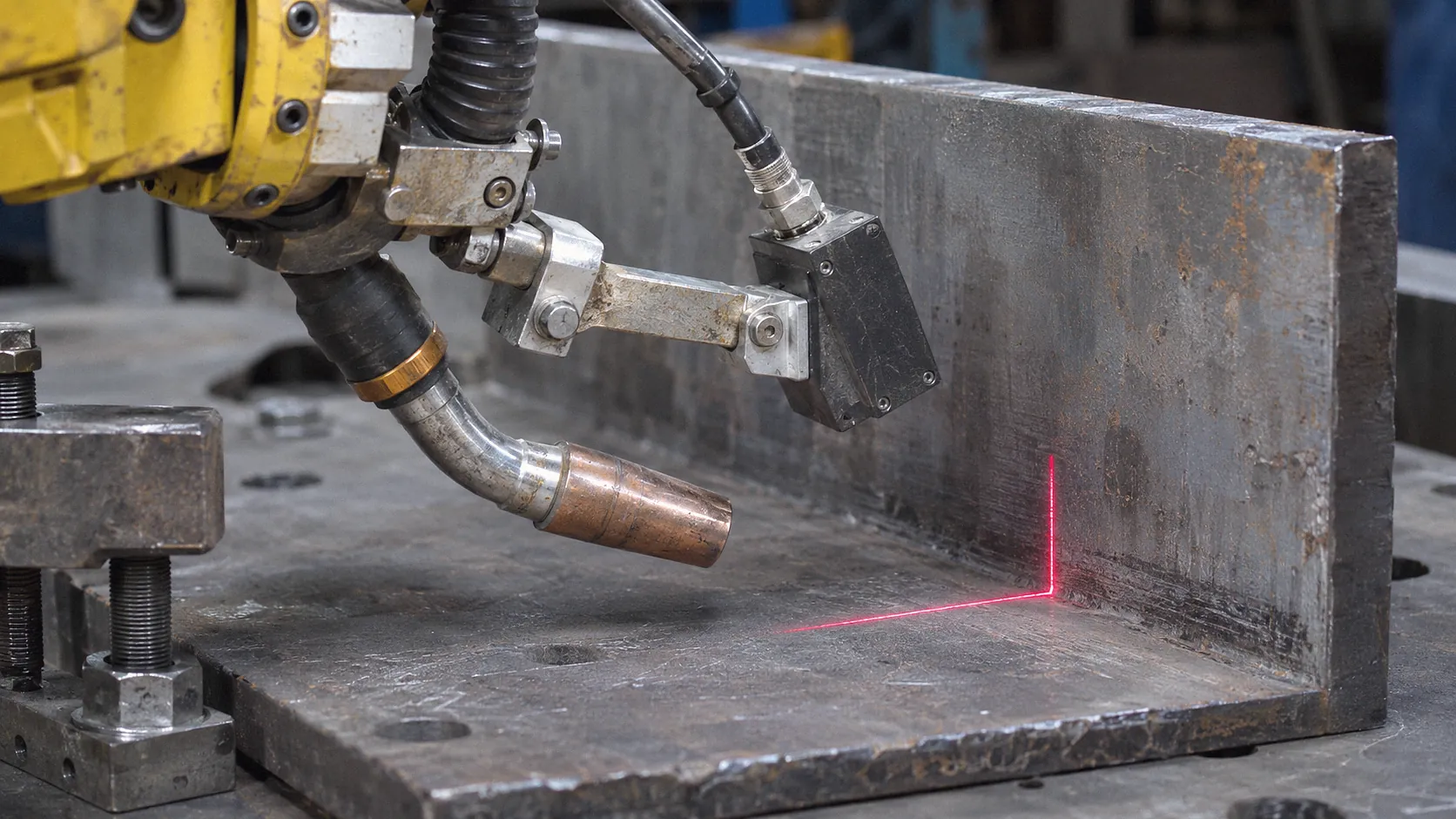
Seam finding and seam tracking for robotic welding: touch, laser and through-arc compared
Seam finding and seam tracking for robotic welding: touch, laser and through-arc compared
Seam finding and seam tracking for robotic welding: touch, laser and through-arc compared
How robotic seam finding and seam tracking work, and how touch, laser and through-arc sensing compare by joint type, thickness, cycle time and cost.
5 min read
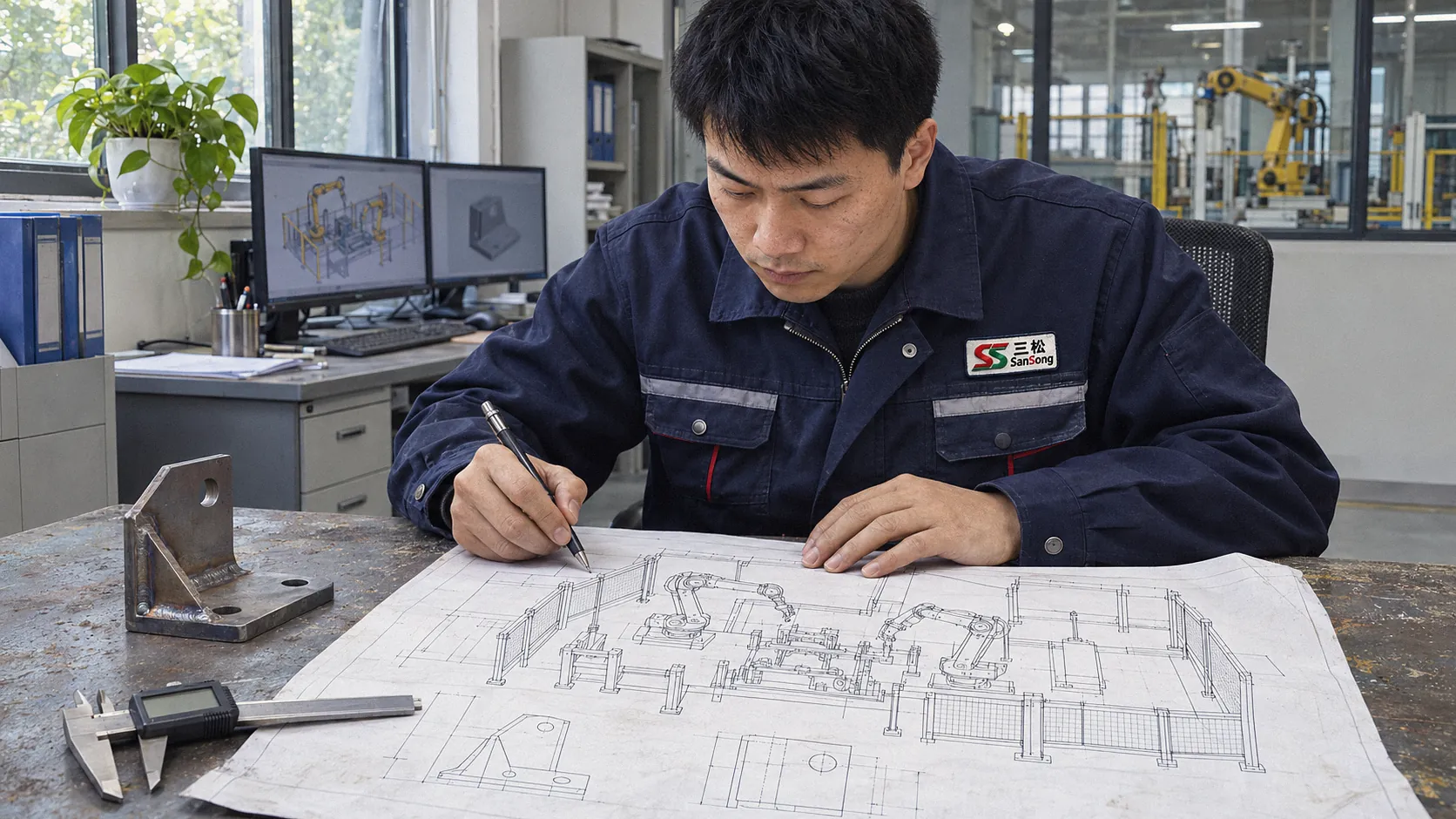
Building the business case for a robotic welding cell: cost factors, output and payback
Building the business case for a robotic welding cell: cost factors, output and payback
Building the business case for a robotic welding cell: cost factors, output and payback
Build a robotic welding cell business case from your own data: cost factors, output with OEE, labor and weld-metal savings, payback, risks and quote inputs.
5 min read
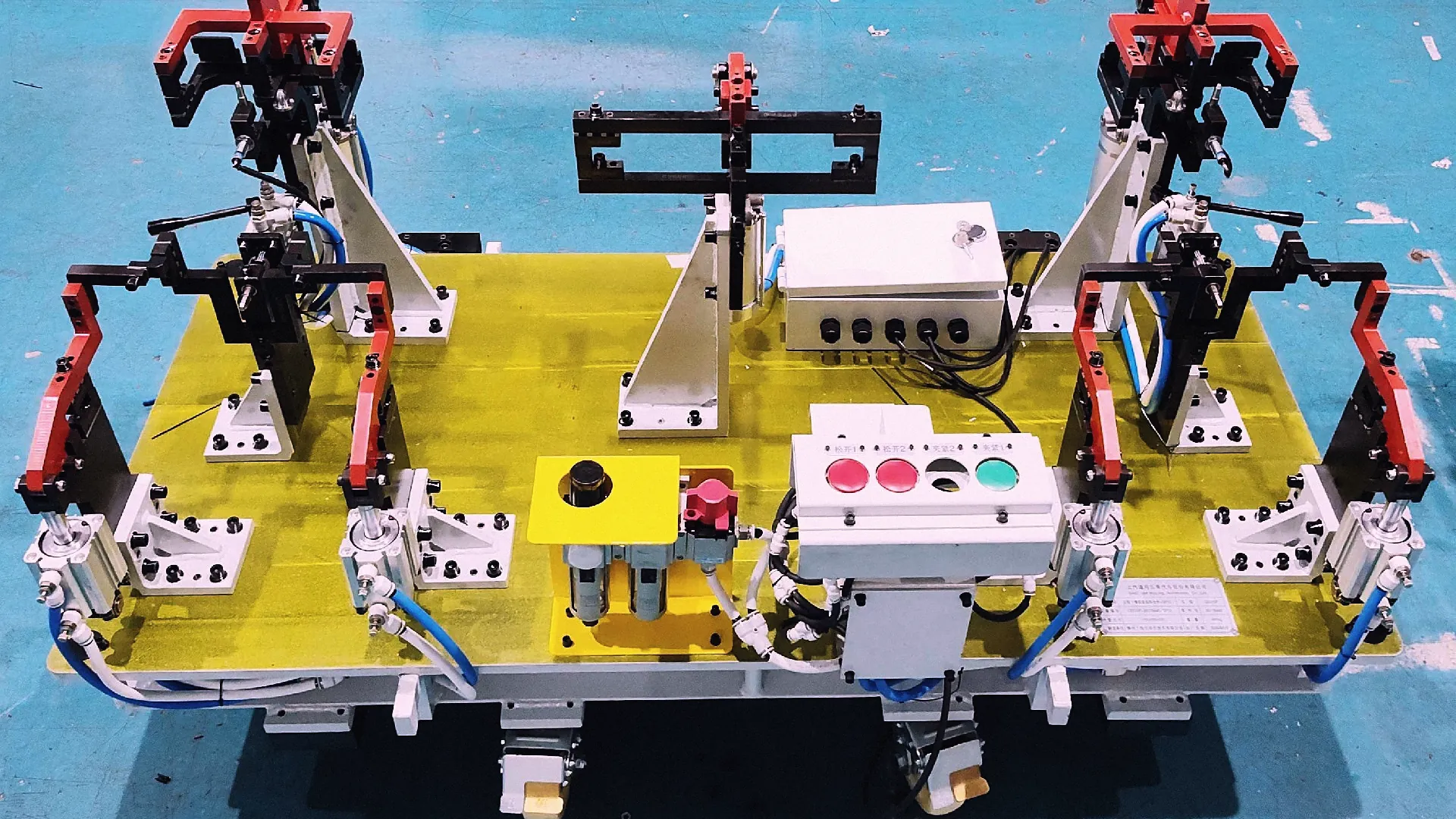
Welding fixture design for robots: locating, clamping and distortion control
Welding fixture design for robots: locating, clamping and distortion control
Welding fixture design for robots: locating, clamping and distortion control
What makes a good robotic welding fixture: repeatability, 3-2-1 locating, clamping, heat and distortion, spatter, welding current path and fixture types.
6 min read
SANSONG INSIGHTS
Positioners & tracks
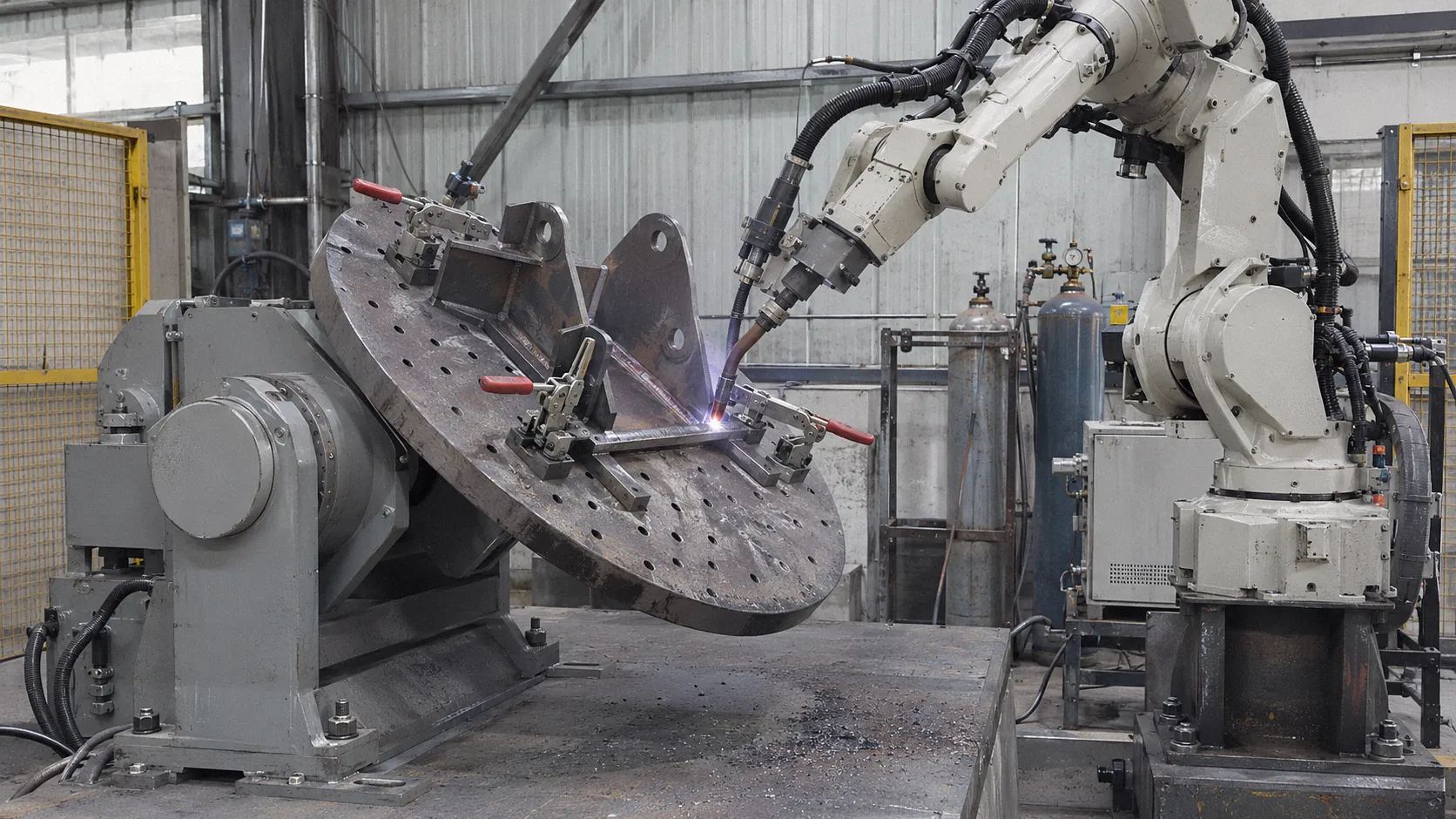
How a welding positioner works and how to size one
How a welding positioner works and how to size one
How a welding positioner works and how to size one
How a welding positioner turns and tilts the part, the main types, how center of gravity sets torque, a worked sizing example and what to send.
6 min read
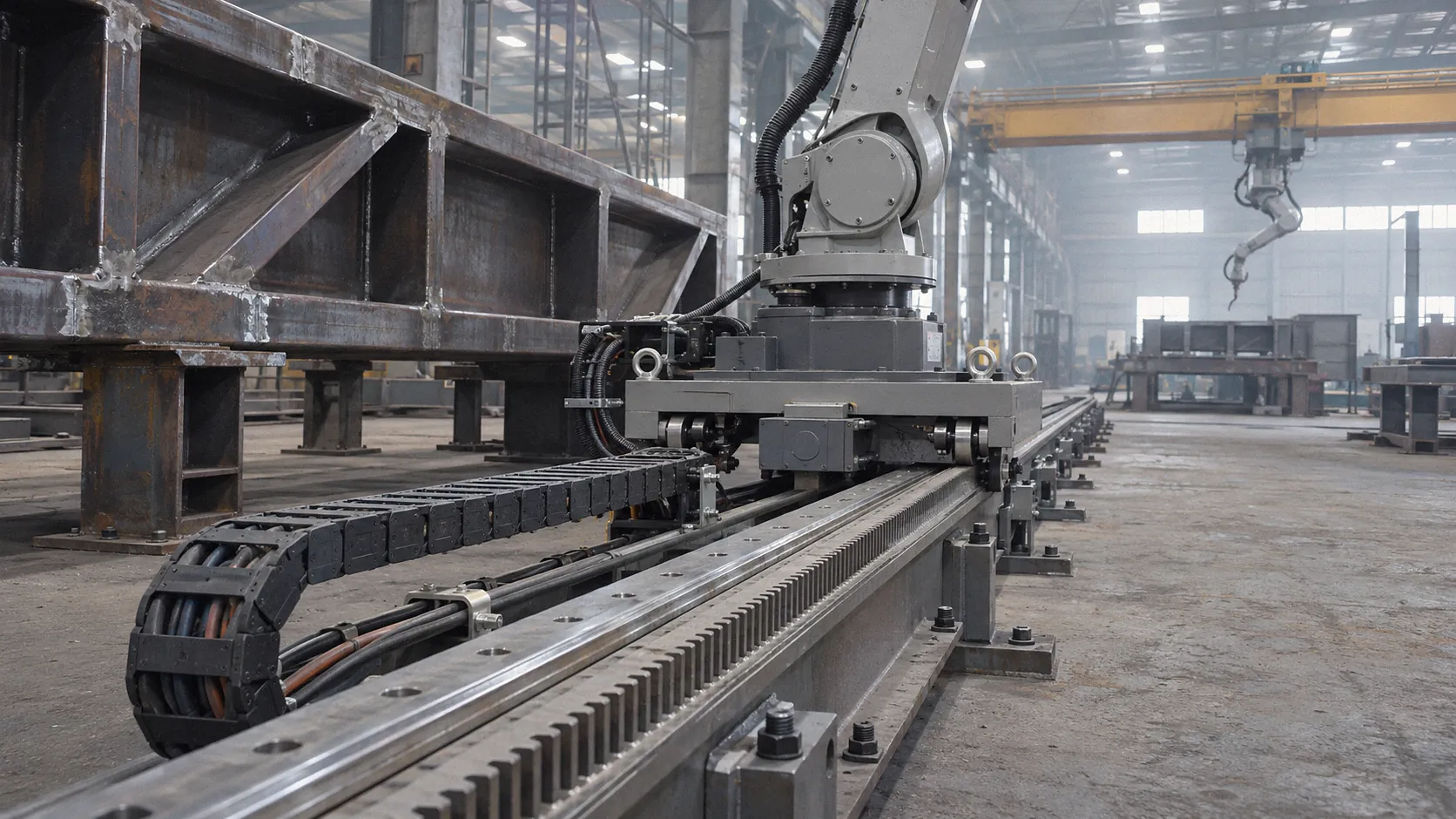
What is a robot 7th axis? Floor tracks vs overhead tracks explained
What is a robot 7th axis? Floor tracks vs overhead tracks explained
What is a robot 7th axis? Floor tracks vs overhead tracks explained
What a robot 7th axis is, how floor and overhead tracks compare for welding and handling, how coordinated control works, what to specify and what drives cost.
5 min read
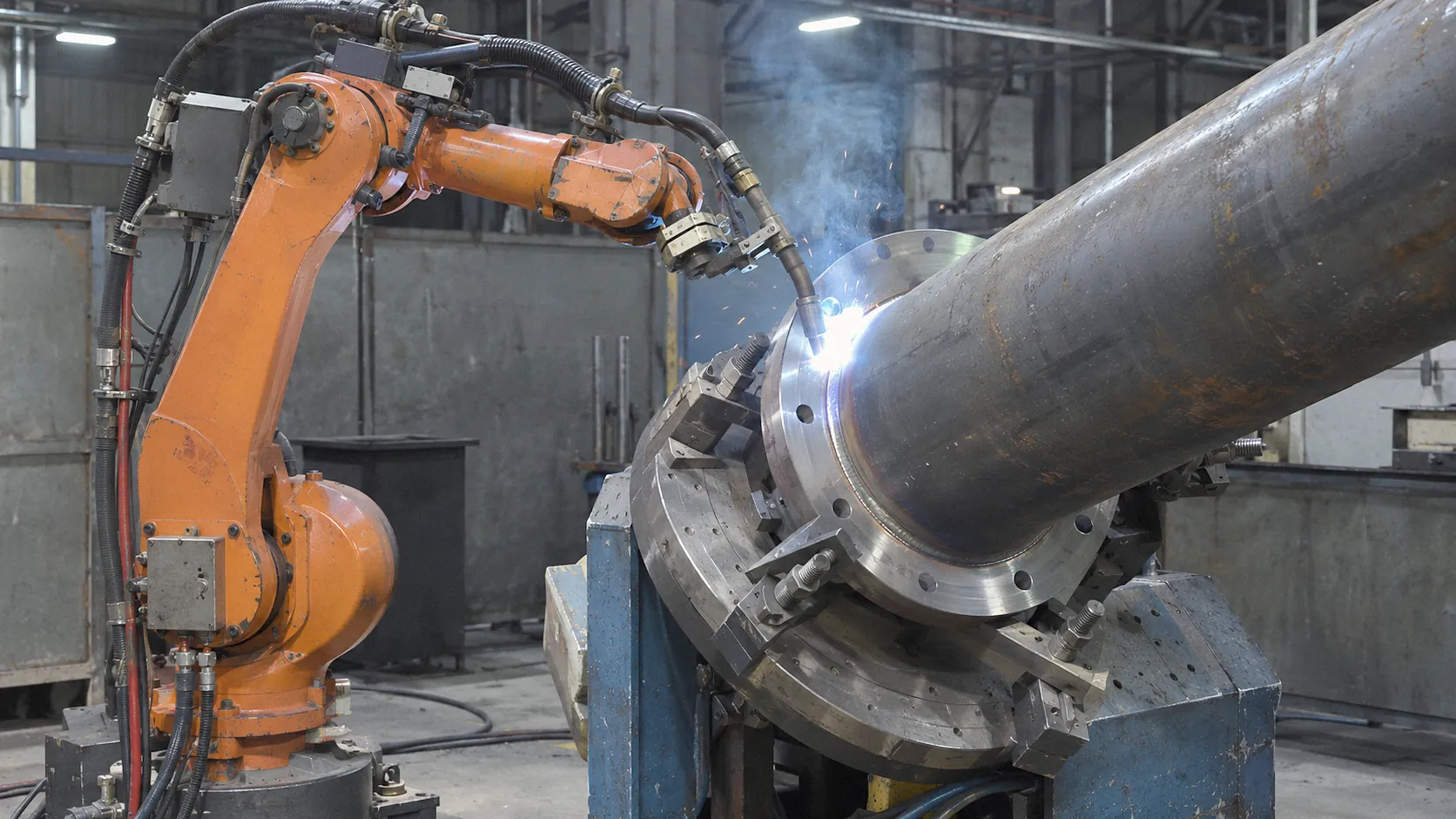
Robot and positioner coordinated motion: how it works and when you need it
Robot and positioner coordinated motion: how it works and when you need it
Robot and positioner coordinated motion: how it works and when you need it
How coordinated motion moves a welding robot and positioner as one to hold torch angle and speed: indexing vs coordinated, controller options and calibration.
5 min read