
The EU BPA ban is Commission Regulation (EU) 2024/3190 of 19 December 2024, which prohibits bisphenol A and other hazardous bisphenols in materials and articles intended to contact food.[1] It entered into force on 20 January 2025, and its main transition period ended on 20 July 2026.[2] For makers of bottles, cups and jugs, it means food-contact articles made with BPA, such as conventional polycarbonate drinkware, can no longer be newly placed on the EU market.
This article sets out what the regulation covers, the dates, and the practical steps for manufacturers. It summarizes published sources and is not legal advice; check the consolidated text on EUR-Lex for your product.
What the regulation covers
The regulation reaches far beyond plastic bottles. SGS’s summary lists its scope as adhesives, ion-exchange resins, plastics, printing inks, rubber, silicones, and varnishes and coatings.[3] Its main provisions, according to SGS:[3]
- BPA is prohibited in the manufacture of these food-contact materials and articles.
- Other hazardous bisphenols, those classified as carcinogenic, mutagenic or toxic for reproduction (category 1A or 1B) or as endocrine disruptors for human health (category 1), are prohibited unless authorized.
- Regulation (EU) No 10/2011 on plastic food-contact materials is amended, and the entries for BPA and bisphenol S are deleted.
- Regulation (EU) 2018/213 on BPA in varnishes and coatings is repealed.
- A declaration of compliance must accompany all marketing stages except retail, for articles not yet in contact with food, and list the bisphenols used as monomers or starting substances.
The Food Packaging Forum notes two remaining authorized uses: liquid epoxy resins on self-supporting articles above 1,000 L, and polysulfone filtration membrane assemblies, both with no detectable BPA migration.[2]
For baby bottles, the EU acted much earlier: Directive 2011/8/EU banned BPA in polycarbonate infant feeding bottles from 2011.[4] Our baby bottle guide covers that case.
Key dates and the 2026 correction
The dates below come from the sources cited. The transitional rules for reusable articles were “corrected and clarified” by Regulation (EU) 2026/250 in February 2026, according to the Food Packaging Forum,[2] and summaries published before that correction give different end dates.
| Date | What happens | Source |
|---|---|---|
| 19 December 2024 | Regulation (EU) 2024/3190 adopted | EUR-Lex[1] |
| 20 January 2025 | Entry into force | EUR-Lex[1] |
| 20 July 2026 | Main transition period ends; most BPA-made single-use and reusable articles may no longer be placed on the EU market for the first time | Food Packaging Forum[2] |
| 20 July 2027 | Reusable articles first placed on the market by the July 2026 deadline may stay on the market until this date (after the 2026 correction) | Food Packaging Forum[2] |
| 20 January 2028 | Last date to place reusable articles that are part of professional food processing equipment on the market; also certain single-use articles for fruit, vegetables and fish | Food Packaging Forum[2] |
| 20 January 2029 | Professional food processing equipment may remain on the market until this date | Food Packaging Forum[2] |
SGS’s October 2025 summary, written before the correction, gave 20 January 2029 as the end date for repeated-use articles first placed on the market before 20 July 2026.[5] The later correction gives a shorter period for general reusable articles. If you hold stock of BPA-made reusable articles, check the consolidated regulation rather than either summary.
Single-use articles first placed on the market before 20 July 2026 may be filled and sealed for another 12 months, and the food sold until stocks run out.[2]
What it means for bottle and drinkware makers
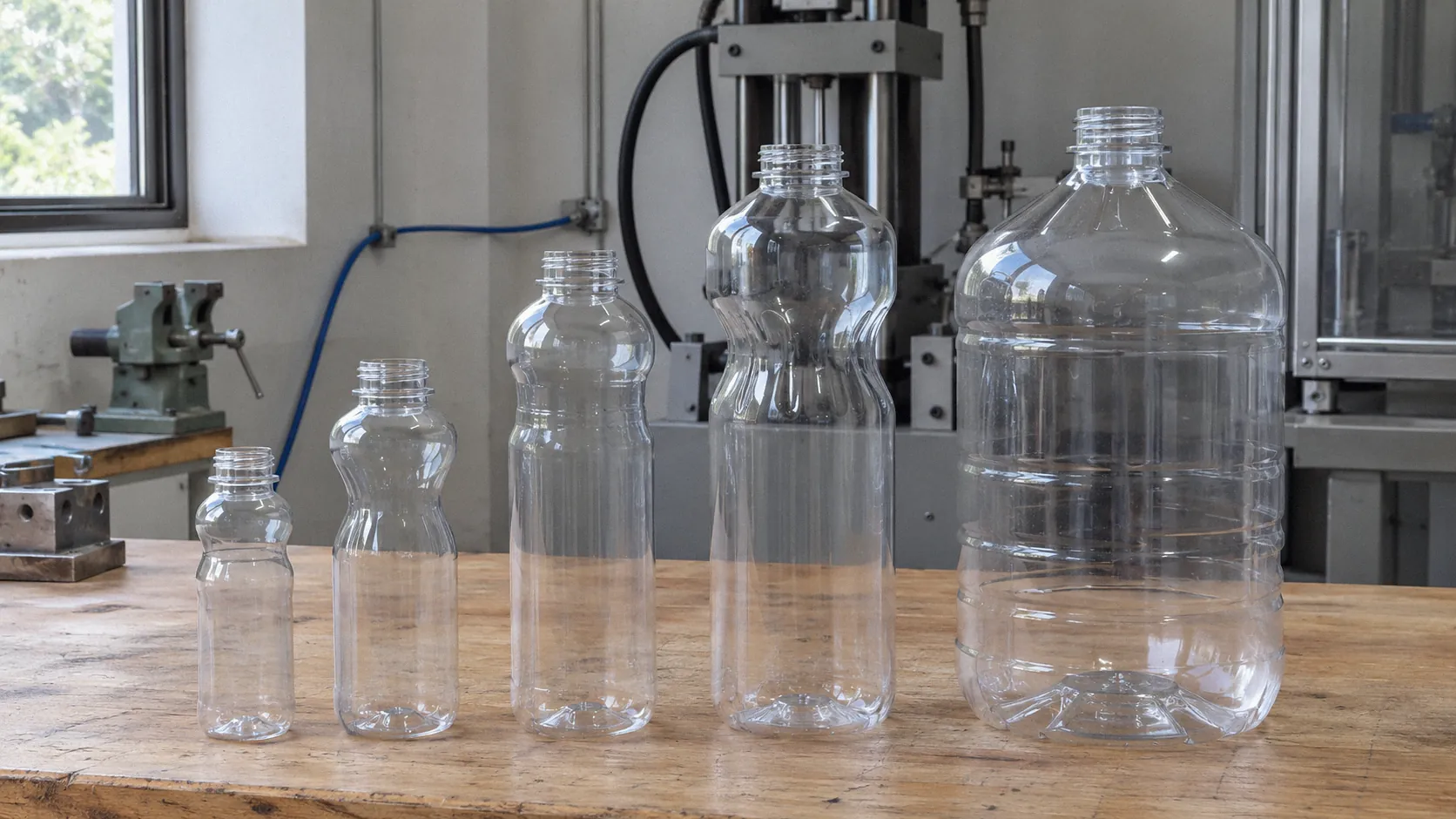
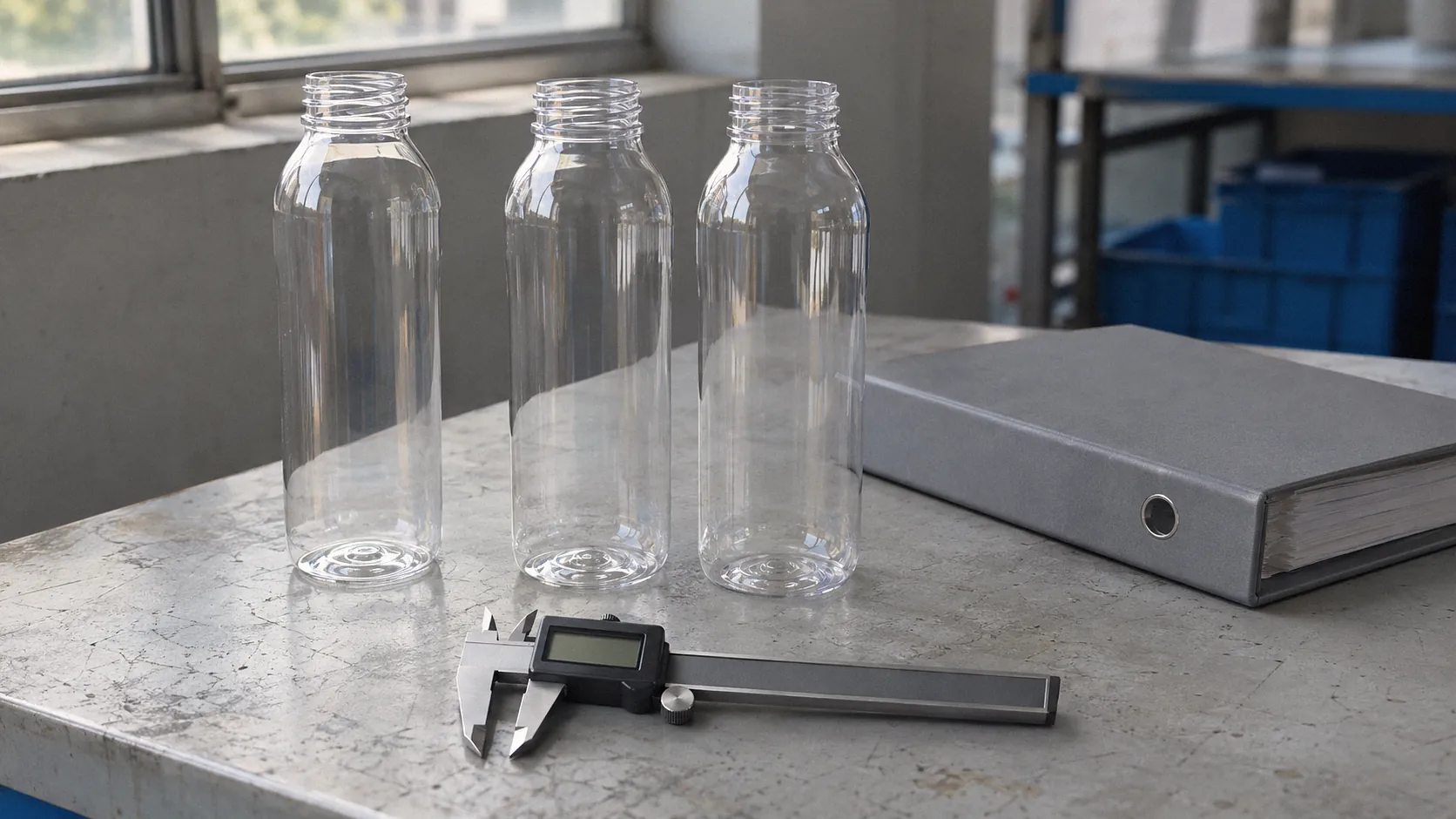
For reusable bottles, cups and jugs made by injection stretch blow molding (also written moulding), the effect is direct. SGS lists plastic drink bottles among the articles affected, and the narrow exemptions do not cover drinkware.[5]
Practical steps:
- List your products by market and material. Identify every food-contact article made from polycarbonate or another bisphenol-based material that is sold into the EU.
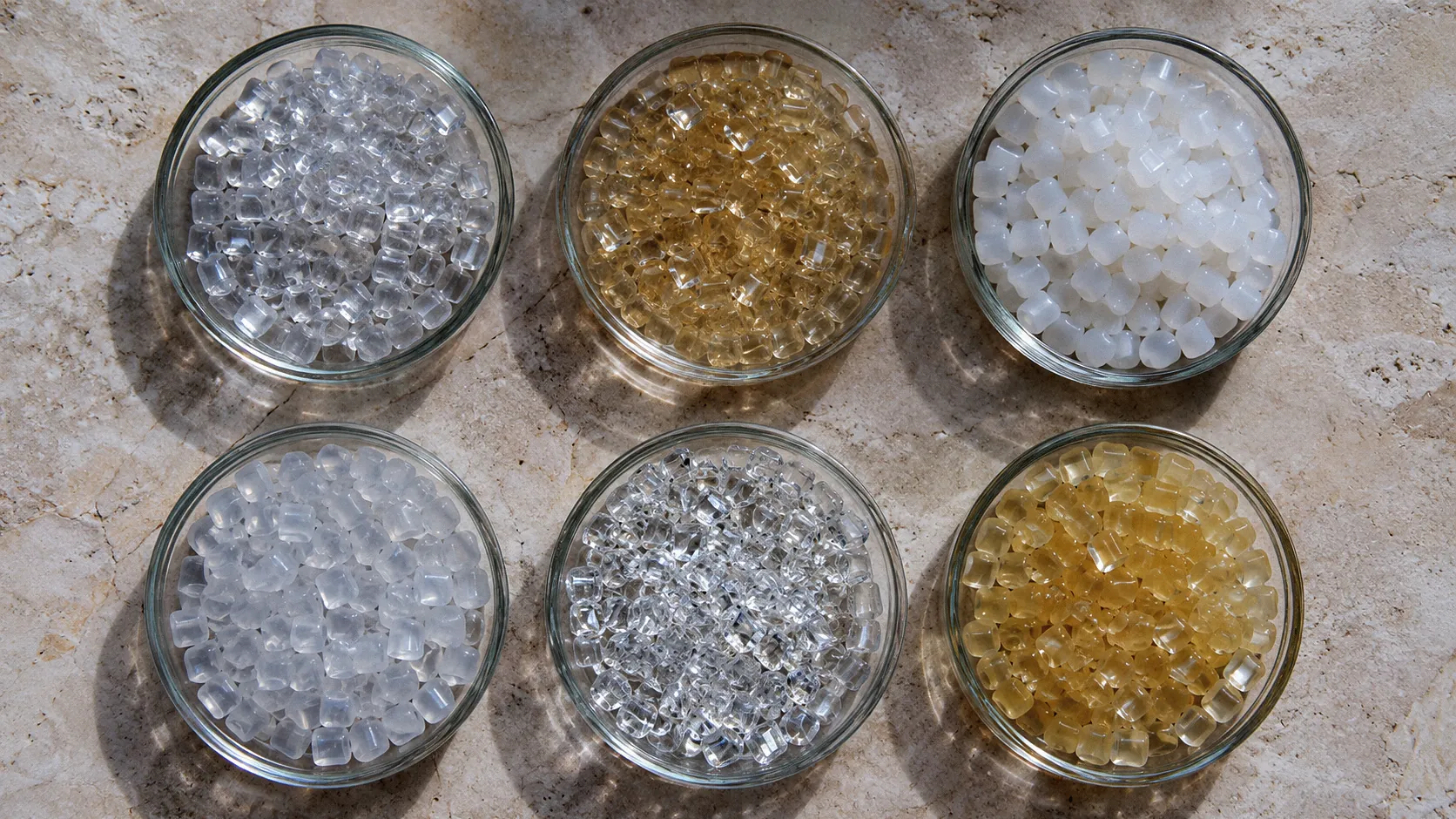
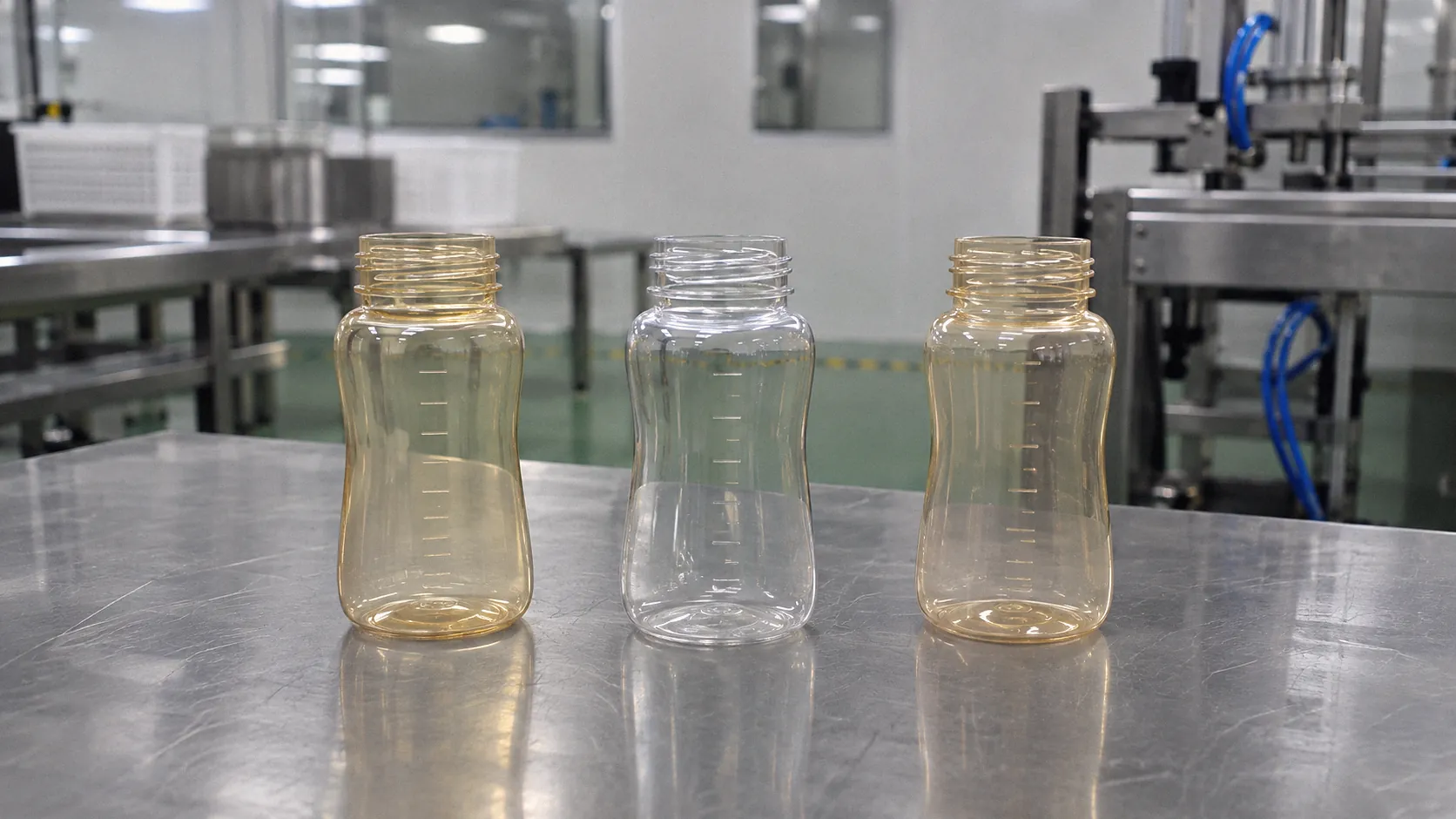
- Choose a replacement resin. Common candidates for clear, tough drinkware are copolyesters such as Tritan and ECOZEN, PET, PP and, for high heat, PPSU. Ask each supplier for a written statement covering BPA and the other bisphenols the regulation lists. Our resin selection guide compares the options.
- Run trials on your machine and mold. A new resin brings new drying, melt and mold temperatures and sometimes a new preform. Eastman’s Tritan guide, for example, calls for drying at 88 °C and mold surfaces at 38 to 66 °C; see our sports bottle guide.
- Update the declaration of compliance. It must list the bisphenols used as monomers or starting substances.[3]
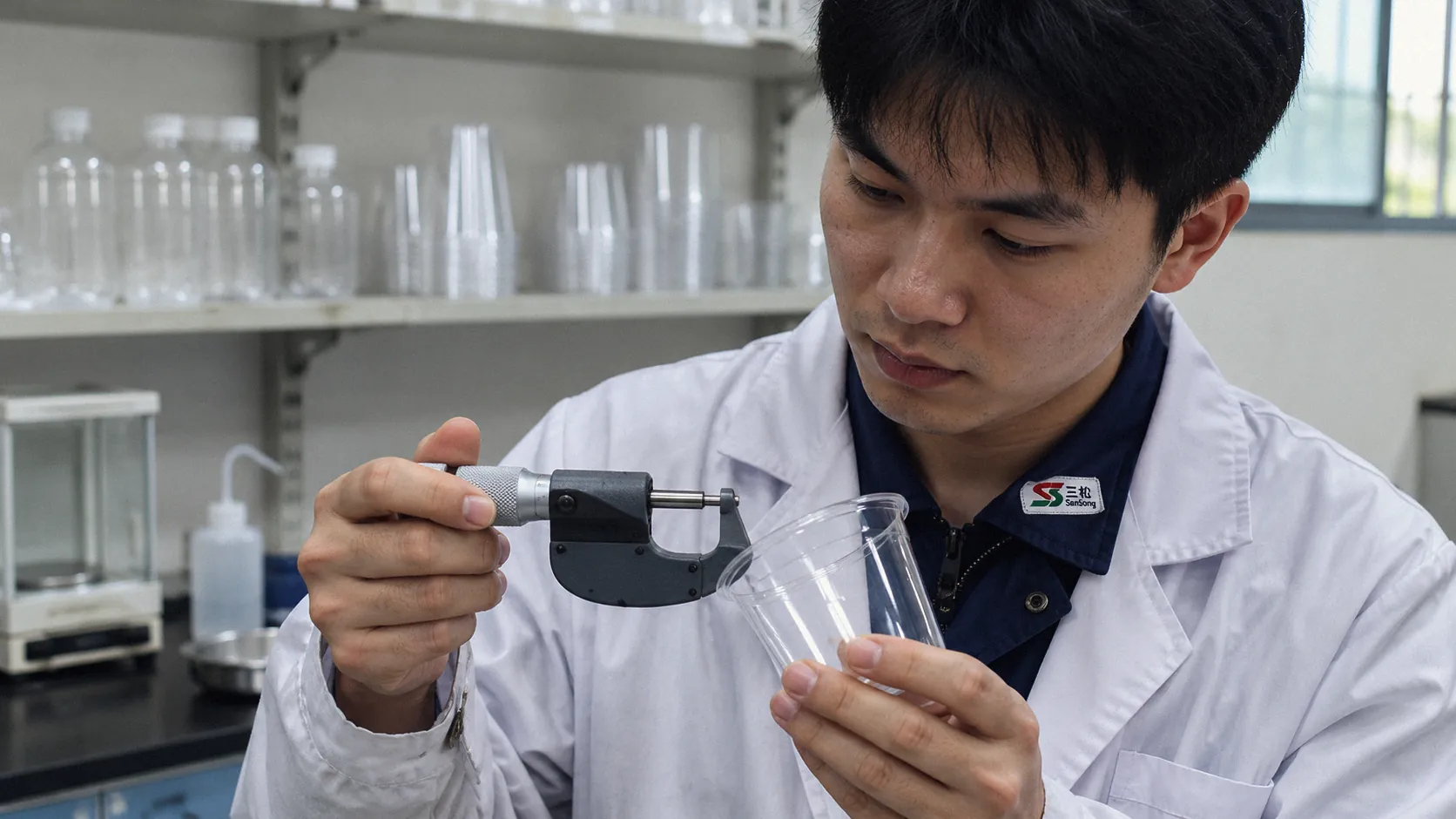
- Test the finished article. SGS mentions compliance testing by LC-MS/MS at a detection limit of 1 µg/kg.[5]
- Plan stock and timing. Match production of new-resin articles to the transitional dates for your product category.
Polycarbonate remains in use where food contact is not involved, such as lamp covers and technical enclosures; for SanSong’s 24-cavity Christmas-light bulb cover case, the resin is confirmed per project (SanSong’s April 2026 brochures record PET on the four-station double-row machine).
Other markets
Other markets set their own rules. China’s food-contact framework is the GB 4806 series of national food-safety standards; our article on China’s GB 4806 food-contact rules explains it. Check every target market before choosing a resin.
How SanSong can help
SanSong’s SS-400-60-03-01 three-station ISBM machine lists PC, PCTG copolyesters (Tritan TX1001 and TX2001, ECOZEN YF300, T110 and T110Pro), PET, PETG, AS, PPSU, PS and PP among its published materials, so bottle makers can move from polycarbonate to another resin on the same machine family, with a trial to confirm the settings and preform. Compliance of the finished article is established by the bottle maker’s testing and documents.
To plan a change of resin, compare the ISBM machines, see everyday bottle applications or send us the container, current resin and target markets.
Frequently asked questions
Is polycarbonate banned in the EU?
The regulation bans bisphenol A and other hazardous bisphenols in food-contact materials, not polycarbonate by name. Conventional polycarbonate is made from BPA, so polycarbonate food-contact articles made with BPA are affected. Non-food uses fall outside this regulation.
When did the EU BPA ban start?
Regulation (EU) 2024/3190 entered into force on 20 January 2025. Its main transition period ended on 20 July 2026, after which most BPA-made food-contact articles may no longer be placed on the EU market for the first time.
Are copolyester bottles such as Tritan affected?
Copolyesters such as Tritan and ECOZEN are marketed as made without BPA. Ask the resin supplier for a written statement covering BPA and the other bisphenols the regulation lists, and test the finished bottle.
Does the ban apply to bottles made outside the EU?
Yes, when they are placed on the EU market. Importers and every business in the supply chain except retail must pass on a declaration of compliance for articles not yet in contact with food.
Sources
- Commission Regulation (EU) 2024/3190 of 19 December 2024 on the use of bisphenol A (BPA) and other bisphenols in food contact materials, EUR-Lex, .
- EU BPA ban reaches main transition deadline, Food Packaging Forum.
- EU regulates BPA and other bisphenols in certain food contact materials (SafeGuardS 005/25), SGS, .
- Commission Directive 2011/8/EU of 28 January 2011 (BPA in polycarbonate infant feeding bottles), legislation.gov.uk (EU-derived legislation archive), .
- What does the EU ban on bisphenols in food contact materials mean for industry?, SGS, .
Editorial note: written from the public sources listed above and SanSong’s published product information, checked on the dates shown. It is general guidance, not legal or compliance advice. Specifications not yet published by SanSong are confirmed during the project review.