
The EU packaging regulation, formally the Packaging and Packaging Waste Regulation (EU) 2025/40 or PPWR, has been in force since 11 February 2025 and has applied generally since 12 August 2026, replacing most of the 1994 Packaging Directive.[1] For makers of plastic bottles and jars, the main effects come in stages: design for recycling and recyclability grades from 2030, recycled content from 2030 and 2040, reuse targets for some sectors, and restrictions such as PFAS limits in food-contact packaging.
This article summarizes the dates and what to prepare. It relies on published summaries and is not legal advice; check the regulation itself for your packaging.
What changed on 12 August 2026
The PPWR is a regulation, so it applies directly in every member state instead of being transposed into national laws. The European Commission’s packaging page lists it as “in force since 11 February 2025” with an application date of 12 August 2026, and notes that the 1994 Packaging Directive (94/62/EC) was generally repealed on that date, though some of its provisions continue to apply.[1]
The application date is not an overnight ban on any format. FreshPlaza’s report stresses that individual requirements take effect on dates set in the legislation and in later implementing measures.[2] One rule that did start on 12 August 2026 is the restriction on PFAS in food-contact packaging above set concentrations.[3]
Key dates for plastic bottle and jar makers
| Date | Requirement | Source |
|---|---|---|
| 11 February 2025 | Regulation (EU) 2025/40 enters into force | European Commission[1] |
| 12 August 2026 | General application; PFAS restriction for food-contact packaging applies | European Commission[1], ComplianceGate[3] |
| 12 February 2027 | Deadline for the Commission’s delegated act on minimum rotations for reusable packaging | ComplianceGate[3] |
| 1 January 2028 | Deadline for delegated acts on design-for-recycling criteria | ComplianceGate[3] |
| 1 January 2030 | Packaging designed for recycling (or 24 months after the delegated acts); only grades A, B or C may be supplied; recycled content under Article 7(1); beverage reuse target of at least 10% | ComplianceGate[3] |
| 1 January 2038 | Only recyclability grades A or B may be supplied | ComplianceGate[3] |
| 1 January 2040 | Recycled content under Article 7(2); beverage reuse target of at least 40% | ComplianceGate[3] |
The Commission states the overall aim as making “all packaging on the EU market recyclable in an economically viable way by 2030.”[1] In 2024, 42.4% of plastic packaging waste generated in the EU was recycled, according to the same page.[1]
What it means for container design
Most of the PPWR’s effect on a container is decided at the design stage, which for an injection stretch blow molded (also written moulded) container means the drawing, the resin and the mold.
- Recyclability. Until the design-for-recycling criteria are adopted, the grading rules are not final. Keep a record of the resin, colorants, additives, closure and label for each container so it can be assessed once the criteria are published, and prefer designs that are simple to sort and recycle.
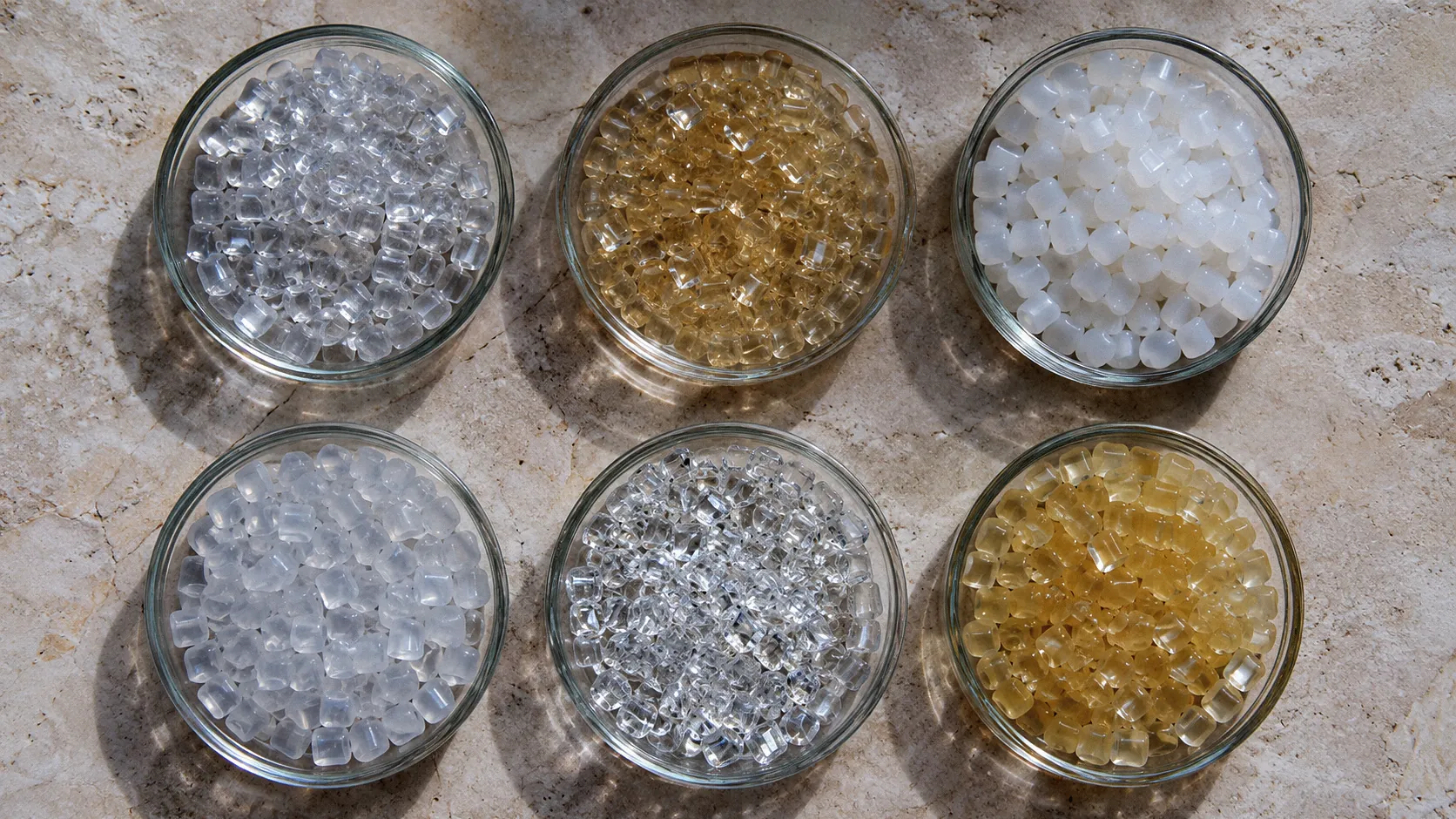
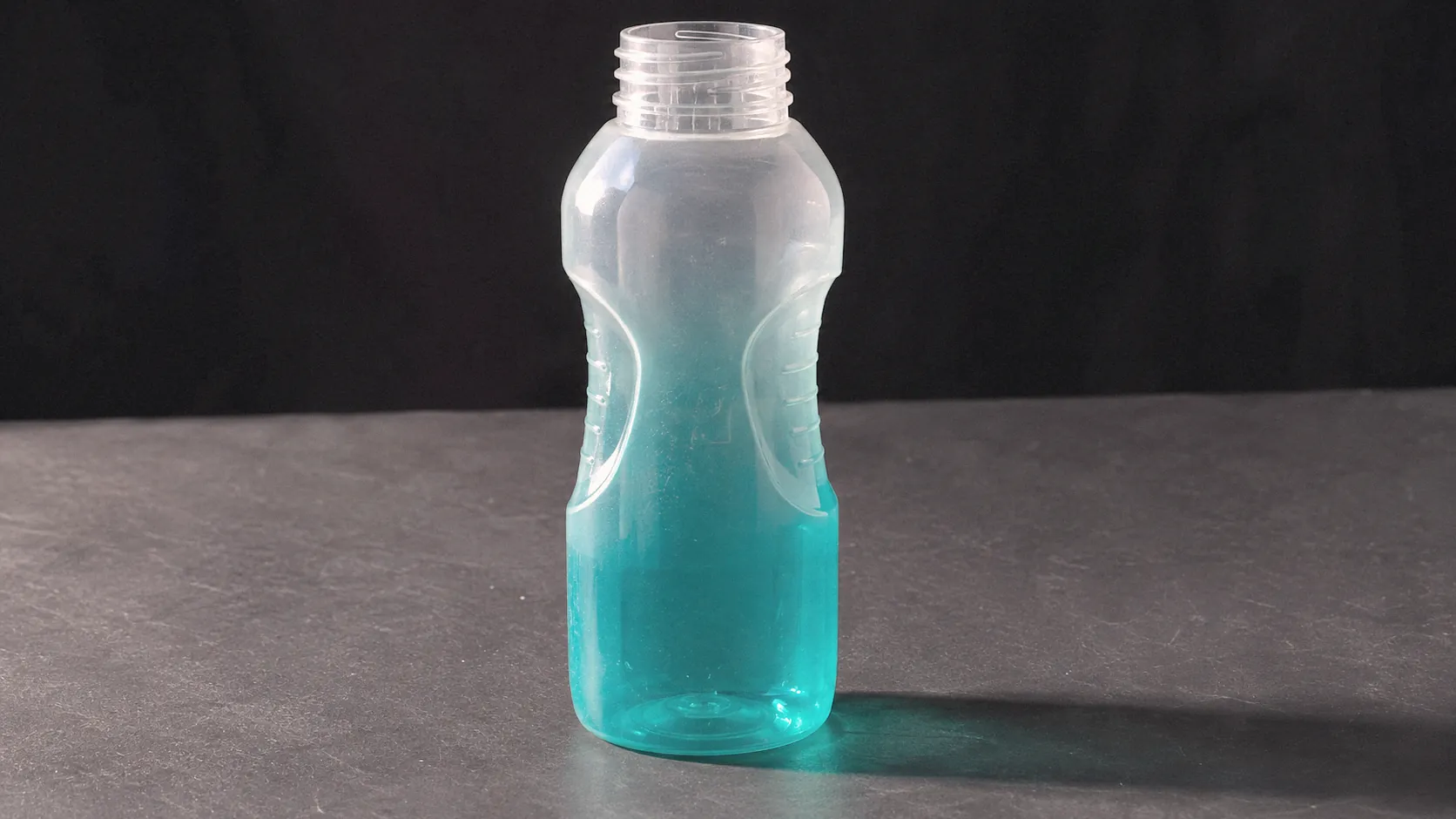
- Colors and effects. Tints, opaque colors and two-color gradients may be treated differently by the criteria. Check them against the delegated acts before committing a high-volume design.
- Recycled content. Plastic packaging parts will need minimum recycled content from 2030. Ask resin suppliers which recycled grades are available for your resin and whether they suit your process; recycled grades can change drying and processing behavior. Our resin selection guide covers resin choice.
- Reuse. Reusable packaging will need to survive a minimum number of rotations, still to be set by delegated act.[3] One-step ISBM suits sturdy reusable containers with molded necks and thick walls; design and test them for repeated washing, filling and transport.
- Food contact. The PPWR sits alongside the food-contact rules, including the EU BPA ban. A reusable container for food must meet both.
Is your product packaging?
The PPWR applies to packaging. A bottle that is filled and sold with a drink in it is packaging; a reusable drinking bottle sold empty to a consumer may be a product rather than packaging. The answer depends on the regulation’s definitions, so check them for each item before deciding which rules apply.
What to do now
- List EU-bound packaging by material and format, including closures and labels.
- Follow the delegated acts on design for recycling and on rotations for reusable packaging; both have deadlines in 2027 and 2028.[3]
- Talk to resin suppliers about recycled grades and run trials early, because a new grade may need new settings or a new preform.
- Design reusable containers for durability and test them under the conditions of the re-use system.
- Keep documents that show resin, additives and test results for each container.
How SanSong can help
SanSong’s one-step ISBM machines run PET, PETG, PP, PCTG copolyesters, PPSU, AS, PS and PC, and its SS-400-60-03-01 three-station machine makes containers up to 4.6 L with 1 to 12 cavities. When a resin or design changes for recycling or reuse, SanSong can run trials and adapt the preform and mold.
To review a container for the new rules, see everyday bottle applications, compare the ISBM machines or send us the container, resin and target market.
Frequently asked questions
When does the PPWR apply?
Regulation (EU) 2025/40 entered into force on 11 February 2025 and has generally applied since 12 August 2026. Many individual requirements take effect later, on dates set in the regulation or in delegated acts.
Does the PPWR set recycled-content targets for plastic bottles?
Yes. Plastic packaging parts must meet the recycled-content amounts in Article 7(1) from 1 January 2030 and those in Article 7(2) from 1 January 2040. Check the article for the percentages that apply to your packaging type.
What are the PPWR reuse targets for beverages?
Final distributors of beverages must ensure at least 10% of that packaging is reusable within a re-use system by 1 January 2030, rising to at least 40% by 1 January 2040, according to ComplianceGate’s summary.
Is a reusable water bottle sold empty covered as packaging?
It depends on the regulation’s definition of packaging, which turns on whether the item contains, protects or presents a product for sale. Check the definitions in the regulation and its annex for your product before assuming either way.
Sources
- Packaging waste, European Commission, Directorate-General for Environment.
- EU packaging regulation starts applying from August 12, FreshPlaza.
- EU Packaging Regulation (PPWR) Timeline: 2026 to 2040, ComplianceGate.
Editorial note: written from the public sources listed above and SanSong’s published product information, checked on the dates shown. It is general guidance, not legal or compliance advice. Specifications not yet published by SanSong are confirmed during the project review.