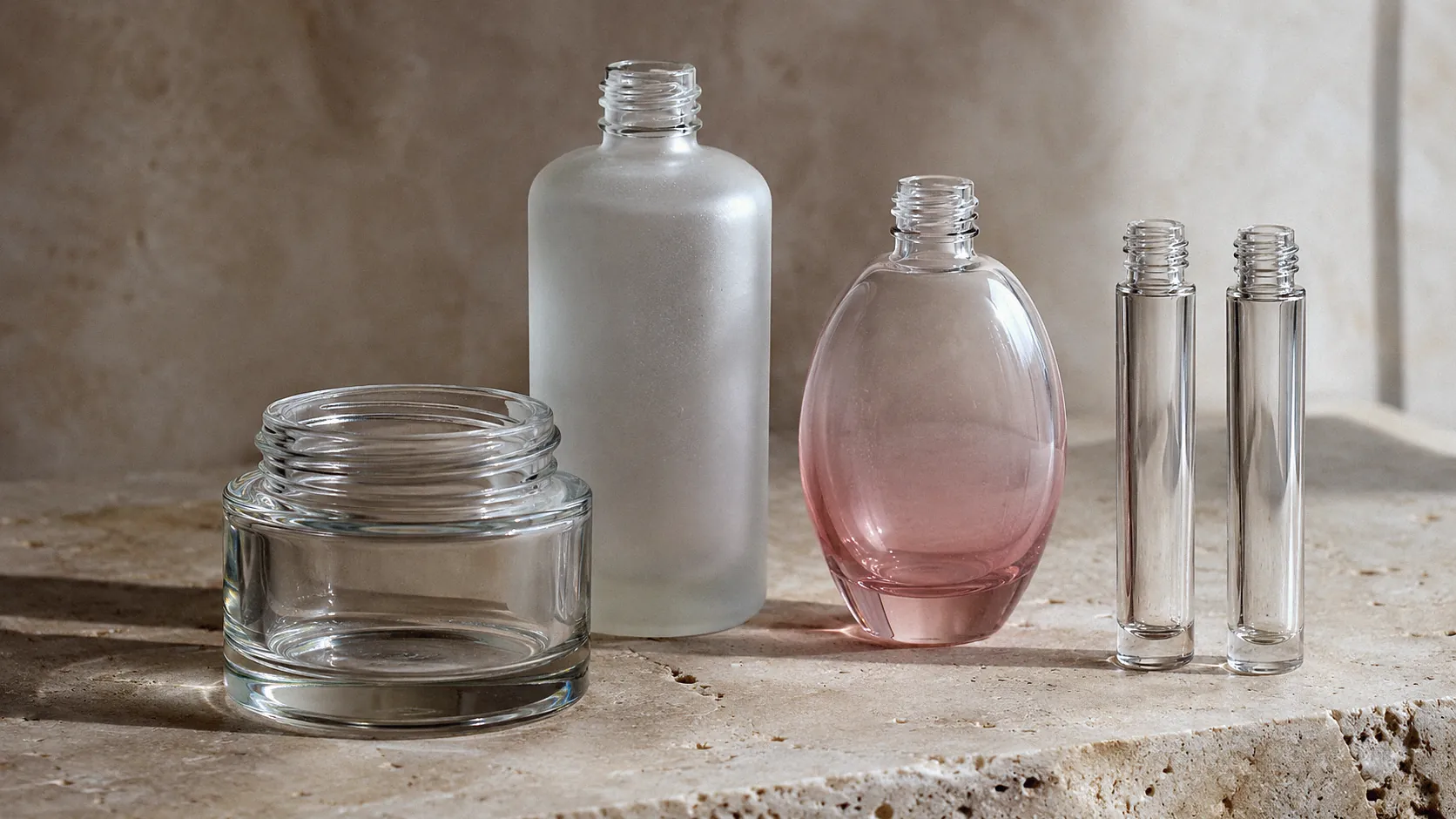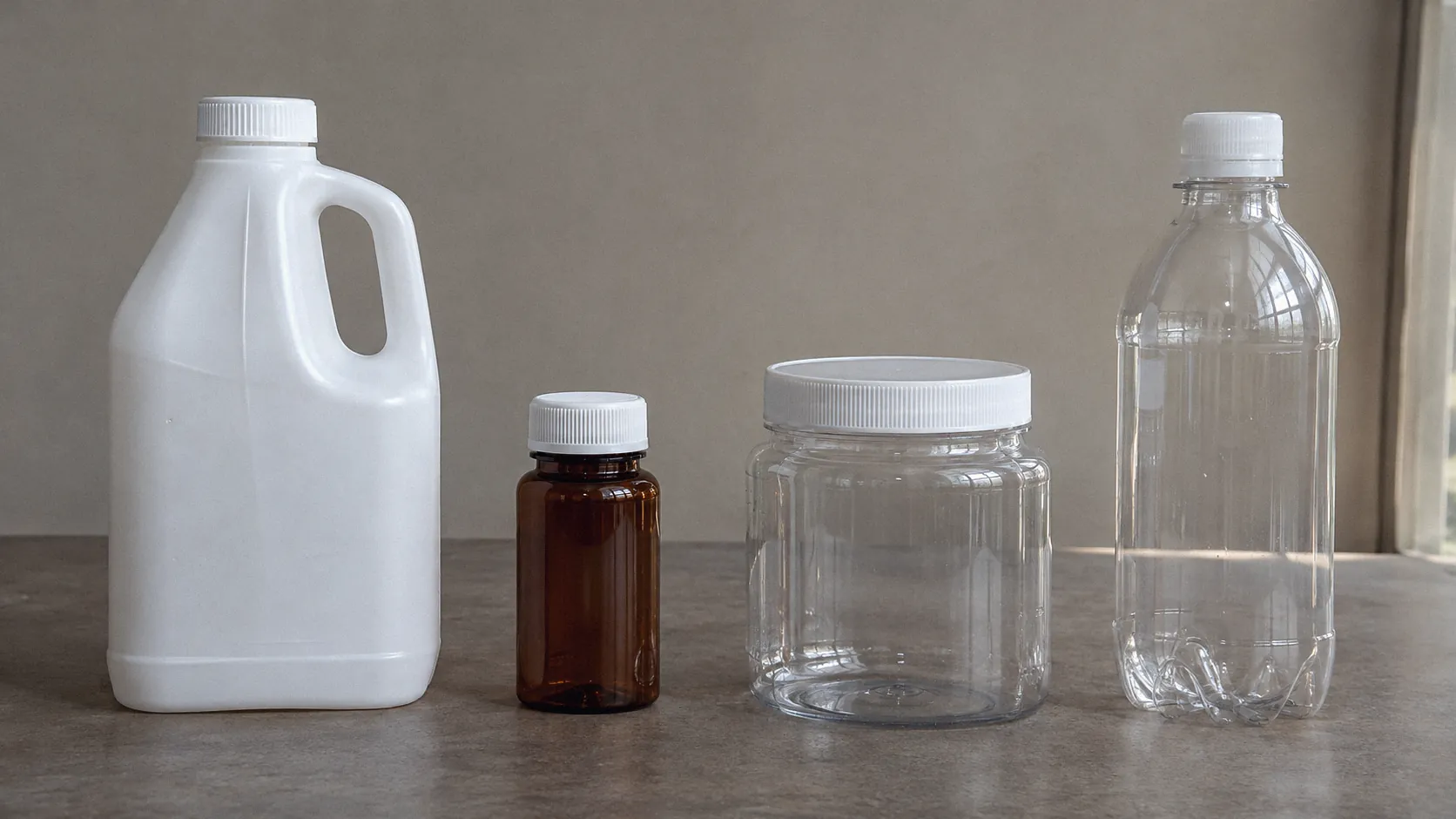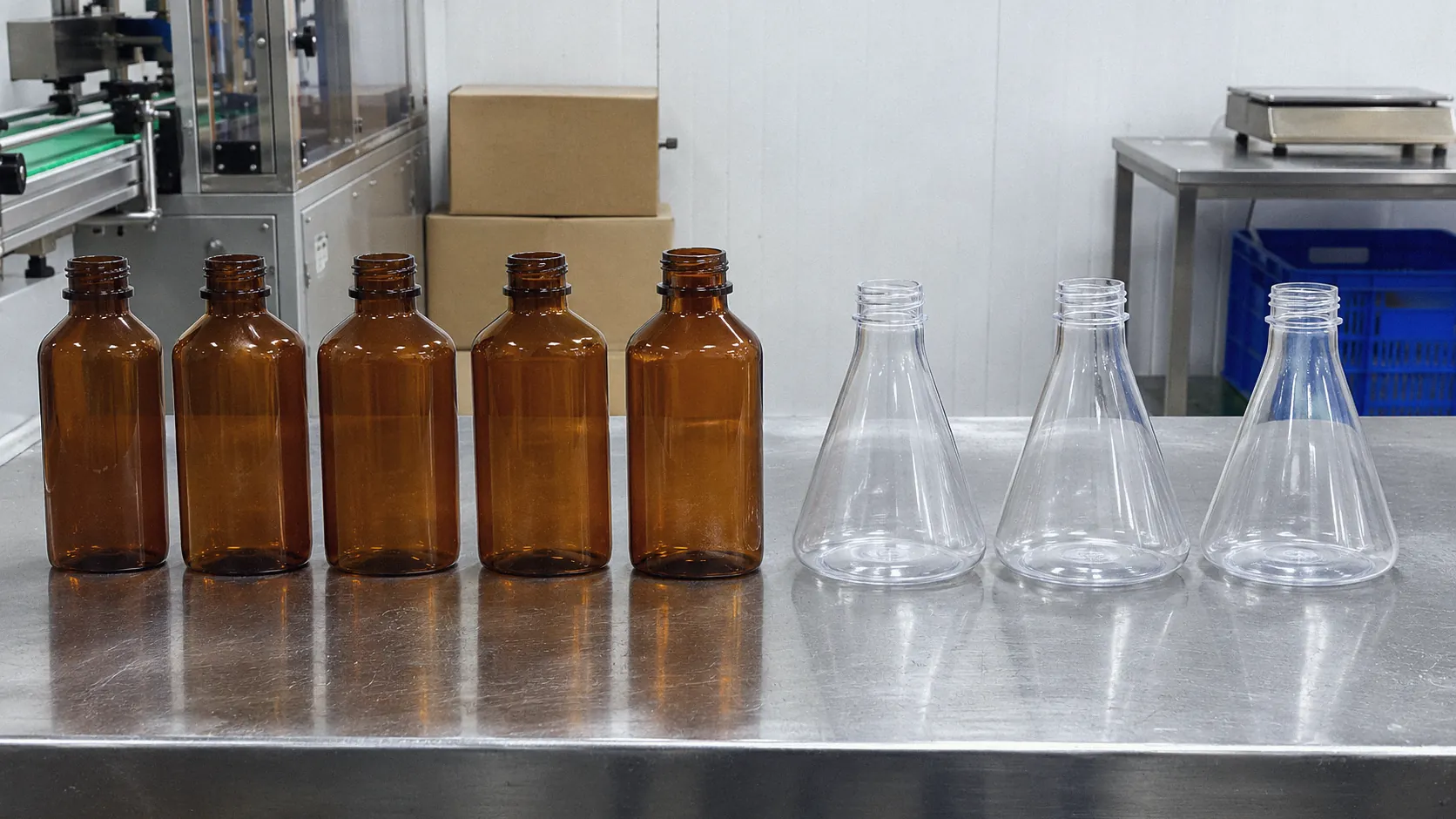
For pharmaceutical bottle ISBM projects, such as syrup bottles, laboratory shake flasks and plasma separation cups, one-step injection stretch blow molding gives a precise neck, a clean wall and no stored preforms. The harder part is planning: who carries compliance, which materials and tests apply, how residues and traceability are controlled, and which documents the equipment must come with.
This guide covers those points for buyers of machines and molds. It is not regulatory advice; your regulatory and quality teams decide what applies to your product.
Why one-step ISBM suits pharmaceutical and laboratory containers
Pharmaceutical and laboratory containers reward the strengths of one-step injection stretch blow molding (also written moulding). The neck is injection molded to its final size and is never reheated, so closure fit is set by the mold. The preform is held by the neck throughout, which avoids scuffing.[1] There is no stock of preforms to store, transport and reheat. OpenLearn notes that ISBM “virtually eliminates scrap” compared with extrusion blow molding.[2]
Ottmar Brandau describes single-stage machines as the clear choice when a bottle must be blemish-free, oblong and have a fixed thread, and notes that single-stage suits non-beverage containers.[3] Paul Atkin of Nissei ASB reports that stretch blowing PP infusion bottles in 24 to 28 cavities is now common practice.[1]
Containers and what matters for each
SanSong’s published applications for its one-step machines include pharmaceutical bottles, syrup bottles, Erlenmeyer shake flasks and plasma separation cups for apheresis machines.[4] Its published mold cases include a four-cavity mold for PET plasma separation cups.[5] Each container brings its own design points:
| Container | What the buyer usually specifies | Points for the mold and process |
|---|---|---|
| Pharmaceutical bottles | Neck for the specified closure, volume, wall, color or light protection | Neck tolerances, colorant dosing, even wall |
| Syrup bottles | Neck for a measuring cap or dropper, tint, volume | Tinted resin, neck finish, base stability |
| Shake flasks | Clarity, flat base, vented or plug-seal closure | Polished cavities, base flatness, neck geometry |
| Plasma separation cups | Dimensions set by the device, clarity, material | Tight tolerances, cleanliness, lot records |
Our guide on ISBM vs IBM vs EBM explains when other blow molding processes are used instead, for example for very small containers.
Who carries compliance
For drug packaging, responsibility starts with the drug maker. Packaging Digest’s summary of the USP <661> series explains that <661.1> covers plastic materials of construction and <661.2> covers plastic packaging systems for pharmaceutical use, with risk-based testing, and gives an official implementation date of 1 December 2025.[6] The same article says the drug product application holder and manufacturer bear primary responsibility for meeting the requirements, that the grandfathering exemption for previously approved packaging was removed, and that packaging suppliers should test materials against <661.1>.[6]
Other markets have their own pharmacopoeias and packaging rules, and containers used as parts of medical devices follow the device maker’s requirements. A machine supplier cannot certify compliance; it can supply equipment that makes consistent containers and documents that support your own qualification.
Process residues and cleanliness
Processing affects test results, not only the resin. Packaging Digest notes that finished components can still fail TOC or UV absorbance limits because of processing residues, even when the resin supplier has certified the material against <661.1>.[6] For a one-step line, that puts these points in the specification:
- Lubricants and release agents. Agree which, if any, may be used near the mold and how they are kept off containers.
- Purging and start-up. Define purge compounds, purge quantities and when production containers may be collected.
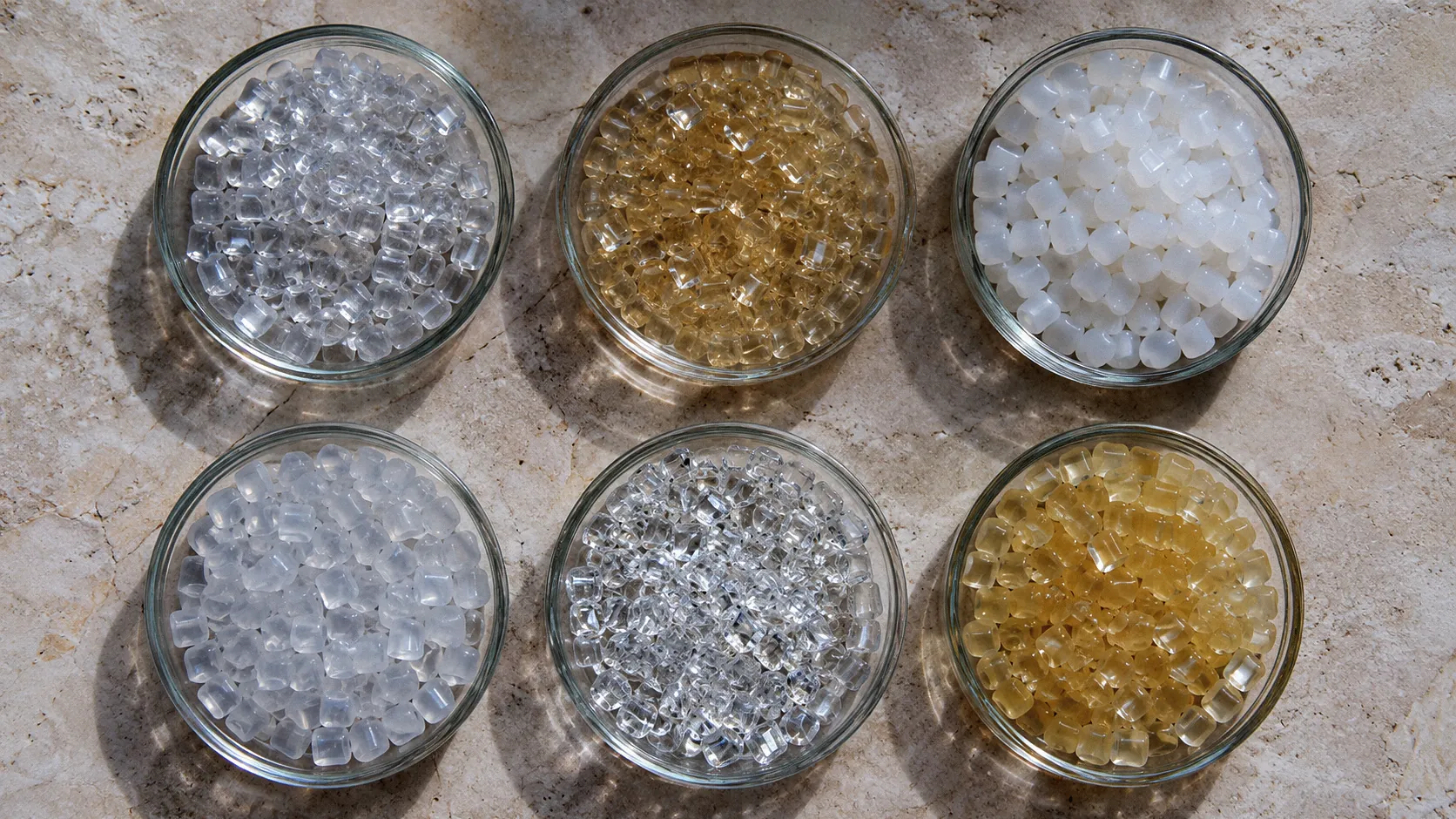
- Colorants. Use masterbatches with documentation from their supplier, and dose them consistently.
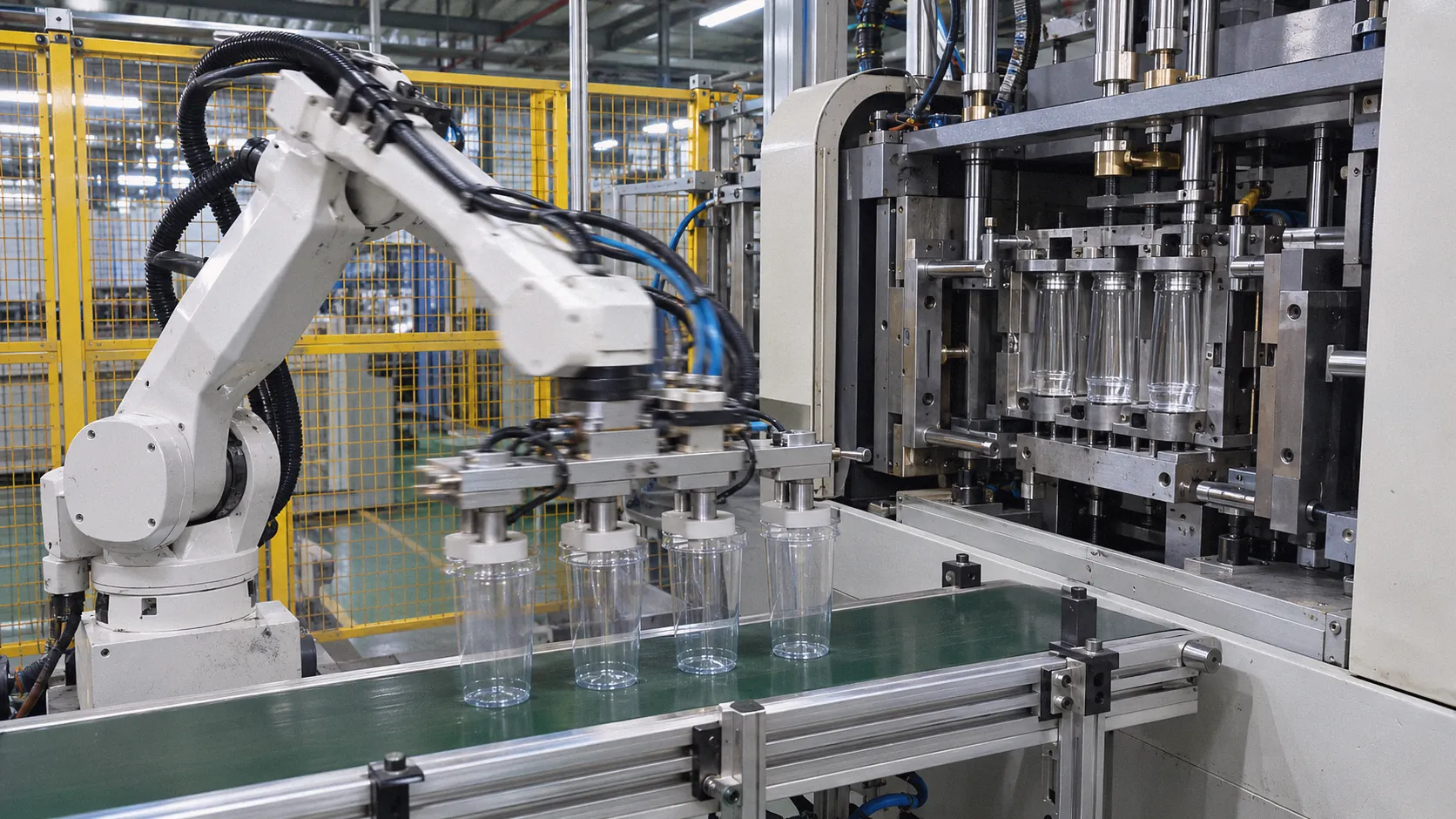
- Handling. A take-out robot removes containers without hands and can place them straight into clean packing.
- Environment. Decide whether the machine will run in a controlled room, and agree covers, extraction and cleaning access with the supplier.
Materials
The material follows the drug or device, the sterilization method and the pharmacopoeia, so it is chosen with your regulatory team and the resin supplier. PP is common for infusion bottles, and a PETnology report names jars for pharmaceuticals among the products that clarified PP opened up for injection blow molding.[7] PET and PETG give clear, stiff containers; PPSU suits repeated high-heat sterilization. Our resin selection guide compares the options.
Traceability and equipment documents
Agree early how every container can be traced, and which documents your quality system needs from the equipment supplier:
- Cavity identification. Mark each cavity in the mold so a defect can be traced to its cavity.
- Lot records. Link each production lot to resin and colorant batches, mold, and process settings.
- Process parameters. Decide which settings are locked, who may change them and how changes are recorded.
- Equipment documents. If you qualify equipment, for example through installation, operational and performance qualification, list the drawings, certificates, manuals and test records you need from the supplier, and put them in the contract.
- Acceptance. Define the sample trial, dimensions, wall measurements and run length that count as acceptance. Our guide on automation acceptance lists items to agree.
How SanSong can help
SanSong builds one-step ISBM machines and their molds. Its SS-400-60-03-01 three-station machine makes containers up to 4.6 L with 1 to 12 cavities; the SS-400-110-04-02 four-station double-row machine adds a conditioning station for shapes that need a tailored preform temperature. Published applications include pharmaceutical bottles, syrup bottles, Erlenmeyer shake flasks and plasma separation cups for apheresis machines. SanSong supplies the equipment; compliance of the finished container is established by the drug or device maker.
To discuss a pharmaceutical or laboratory container, see pharma and cosmetic packaging, compare the ISBM machines or send us the drawing, material, closure and the documents your quality team needs.
Frequently asked questions
Does an ISBM machine come with GMP certification?
No machine makes a product GMP-compliant. Good manufacturing practice applies to the manufacturer’s quality system, processes and records. The machine supplier provides the equipment and the documents agreed in the quotation, which the manufacturer uses in its own qualification.
What does USP <661.2> cover?
USP <661.2> covers plastic packaging systems for pharmaceutical use, that is, the finished components and systems. Its testing is risk-based. USP <661.1> covers the plastic materials of construction. Packaging Digest reports an official implementation date of 1 December 2025.
Which materials are used for pharmaceutical ISBM containers?
PP, PET and PETG are common, with PC or PPSU for special cases. The choice follows the drug or device, the sterilization method and the pharmacopoeia requirements. SanSong’s published materials are PC, PCTG copolyesters, PET, PETG, AS, PPSU, PS and PP.
Can SanSong make plasma separation cups?
Plasma separation cups for apheresis machines are among SanSong’s published applications for its one-step machines. The cup’s specification, material and validation are set by the device maker.
Sources
- Update on one step injection stretch blow molding, PETnology (Paul Atkin, Nissei ASB), .
- Blow moulding, The Open University, OpenLearn.
- Blow Molding: Single- or Two-Stage PET Bottle Making? Get to Know Your Options, Plastics Technology (Ottmar Brandau).
- SS-400-60-03-01 three-station one-step ISBM machine, SanSong (lzsansong.com).
- Injection stretch blow molds and application cases, SanSong (lzsansong.com).
- What You Need to Know About USP 661 Series on Plastic Packaging, Packaging Digest (Anne M. Cook, Jeff Meyers, Brian Boland, Stephen Warren), .
- Milliken’s new clarifying agent Millad NX8000 opens up a world of opportunity for highly transparent injection blow moulded PP containers, PETnology, .
Editorial note: written from the public sources listed above and SanSong’s published product information, checked on the dates shown. It is general guidance, not legal or compliance advice. Specifications not yet published by SanSong are confirmed during the project review.